Australian governments of the last 10 years consistently ignored Asia peak oil warnings.
There was ample time to build onshore oil and fuel storage in this period
In the meantime, oil consumption in Asia increased to 5 times higher than oil production
This post is overdue.
Data in this post are from the EI/BP Statistical Review published in June 2026 with data up to December 2025. https://www.energyinst.org/statistical-review
They show why Asia is especially hard hit by the oil crisis in the Middle East.
Asia Pacific oil production peaked in 2015. This website already warned:
20/6/2016
Peak oil in Asia (part 1)
http://crudeoilpeak.info/peak-oil-in-asia-part-1
with follow-up analysis in 2017, 2018, 2019, 2020, 2021, 2022 and 2025
It happened under a coalition government (Abbott 2013, Turnbull 2015, Morrison 2018-2022), but the following Albanese government was not better by 1 single barrel.
Non one in all these governments took it seriously. Global peak oil was shelved after the US shale oil boom started. But regional peaks were not on the radar.
Peak oil is one of the reasons why Asia is so much dependent on the Middle East.
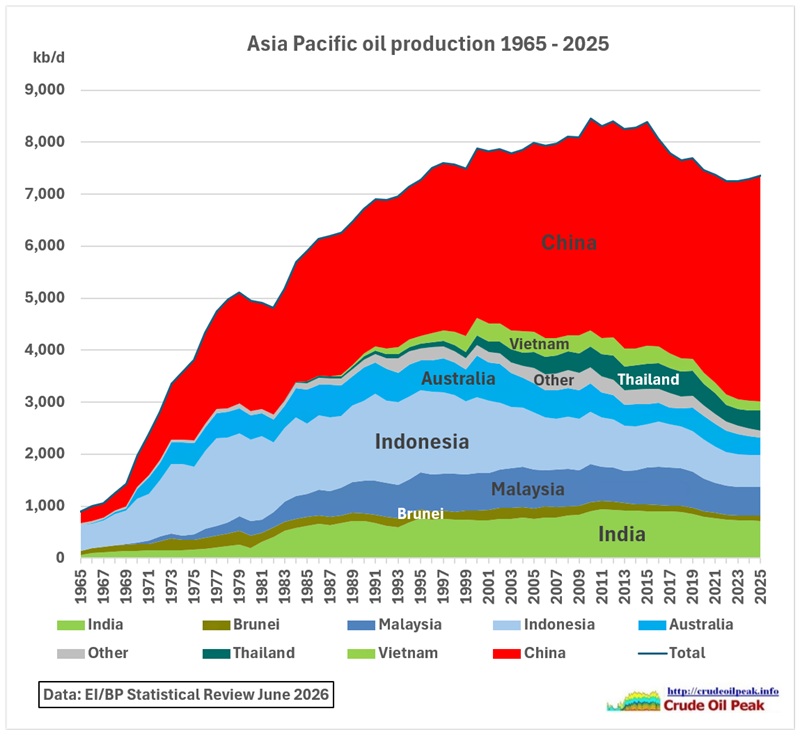 Fig 1: Peak oil in Asia Pacific
Oil consumption is now around 5 times higher than production which was stagnating between 2010 and 2015 when it started to decline very slowly.
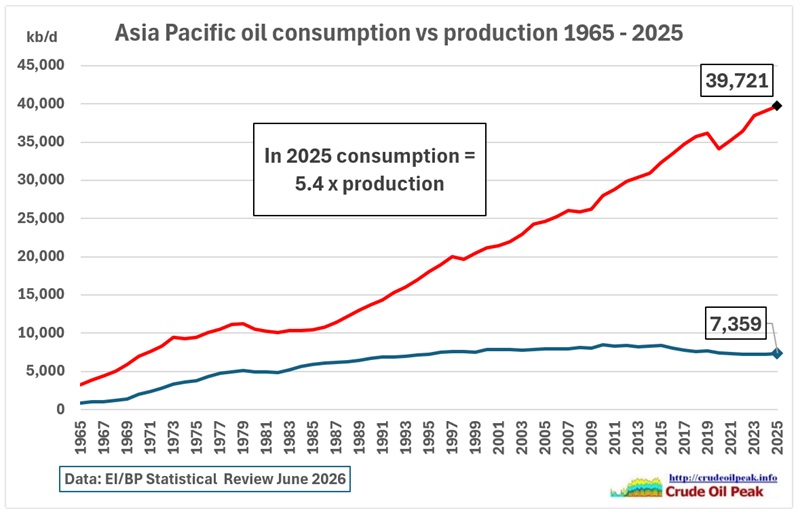 Fig 2: Asia Pacific oil consumption exceeding production by a factor of 5
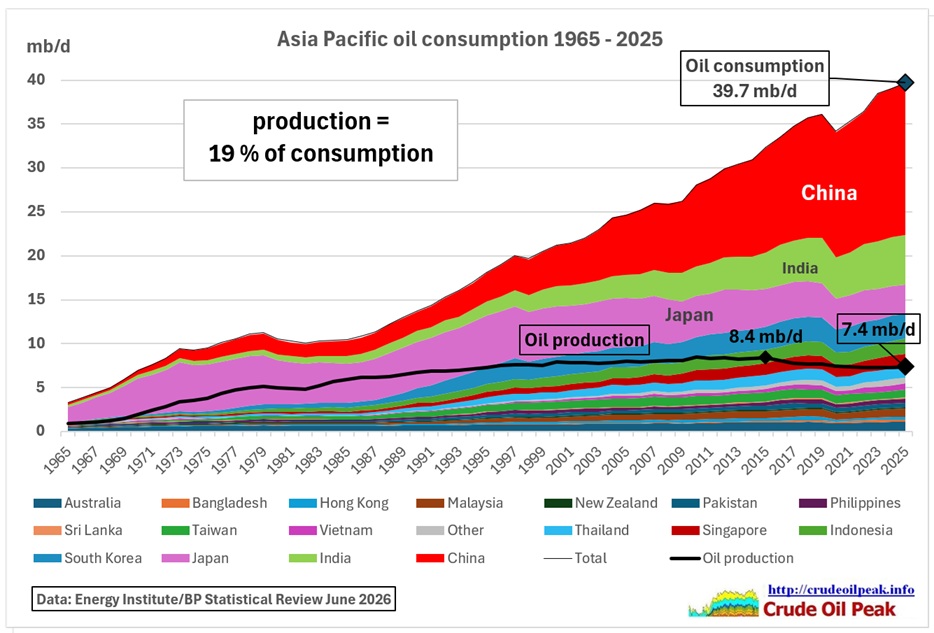 Fig 3: Asia Pacific oil consumption vs production
Oil net imports country by country
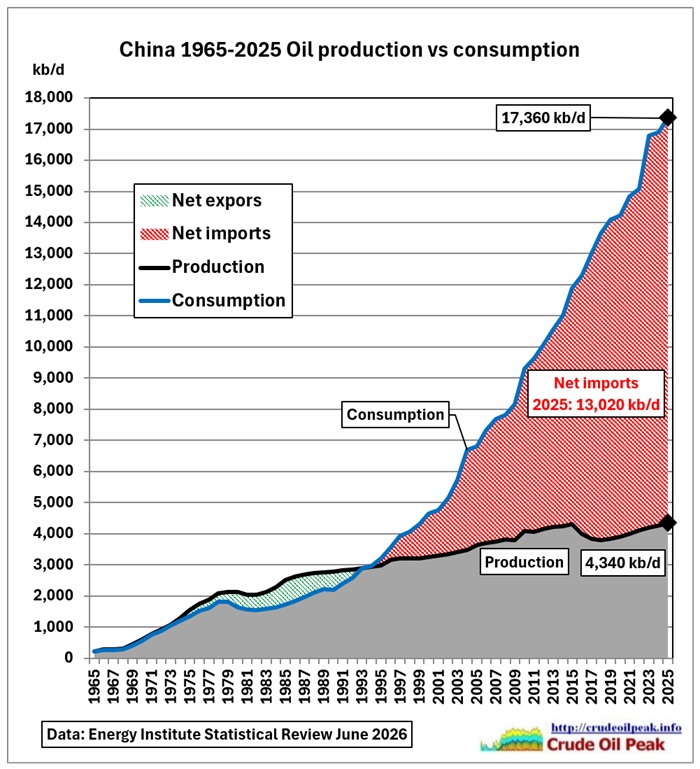 Fig 4a: China net imports
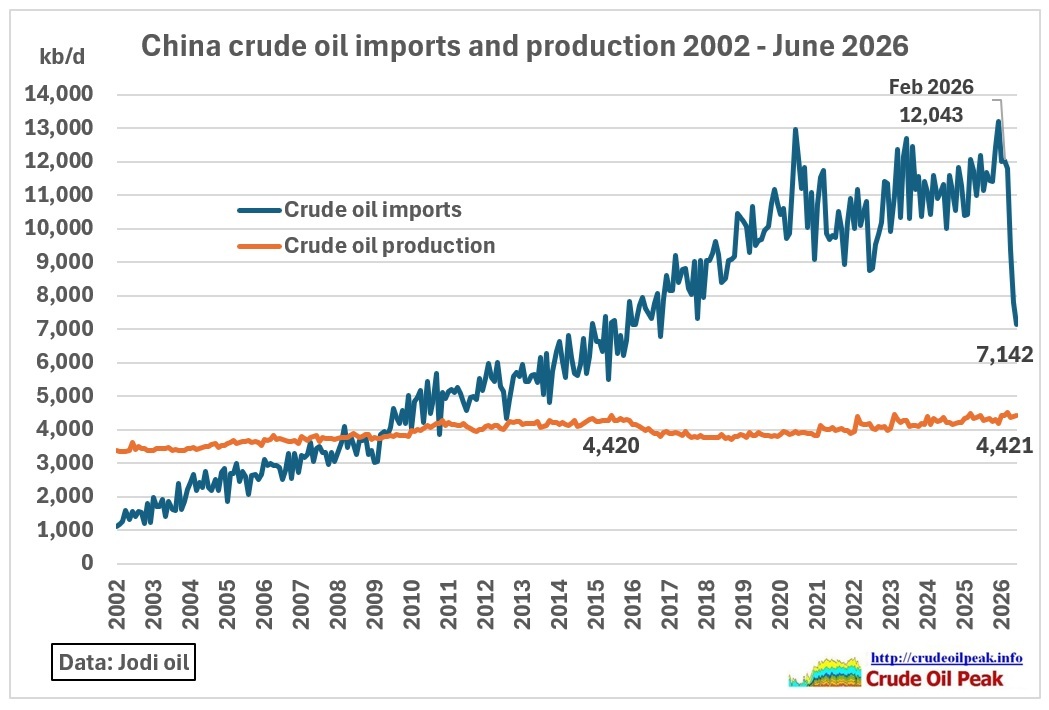 Fig 4b: China crude imports vs production
Jodi Data: http://www.jodidb.org/TableViewer/tableView.aspx
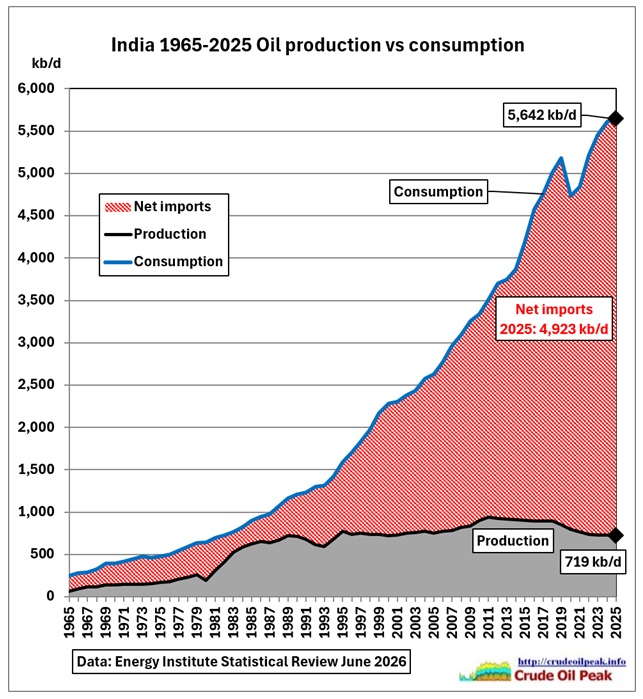 Fig 5a: India net imports
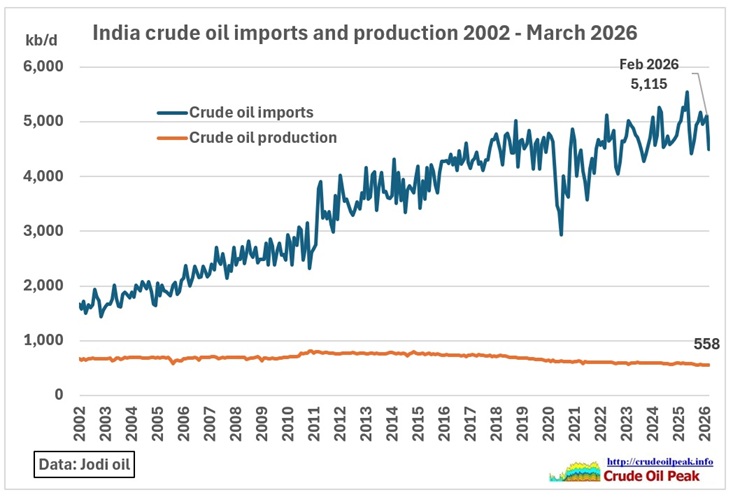 Fig 5b: India crude imports vs production
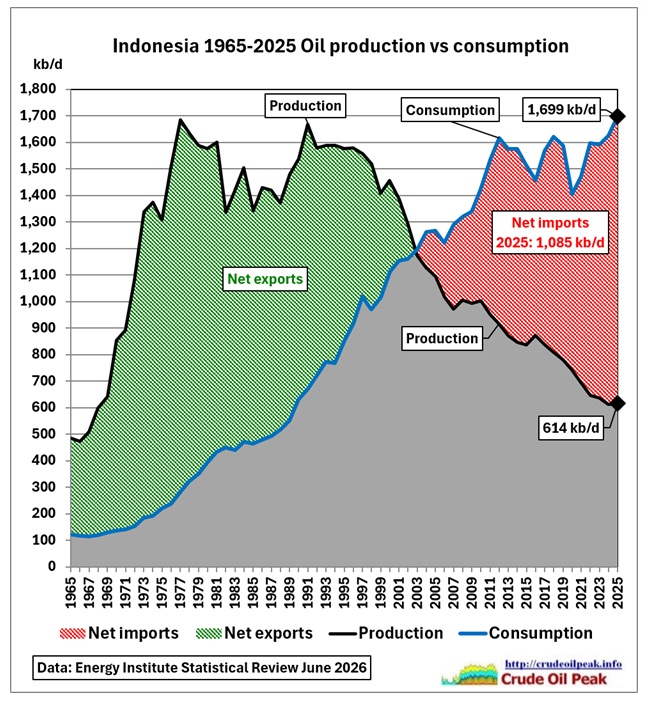 Fig 6: Indonesia net imports
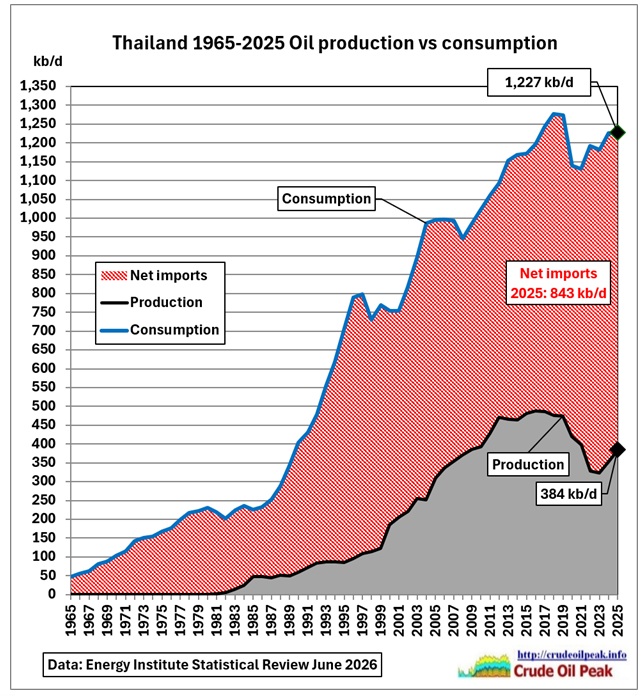 Fig 7: Thailand net imports
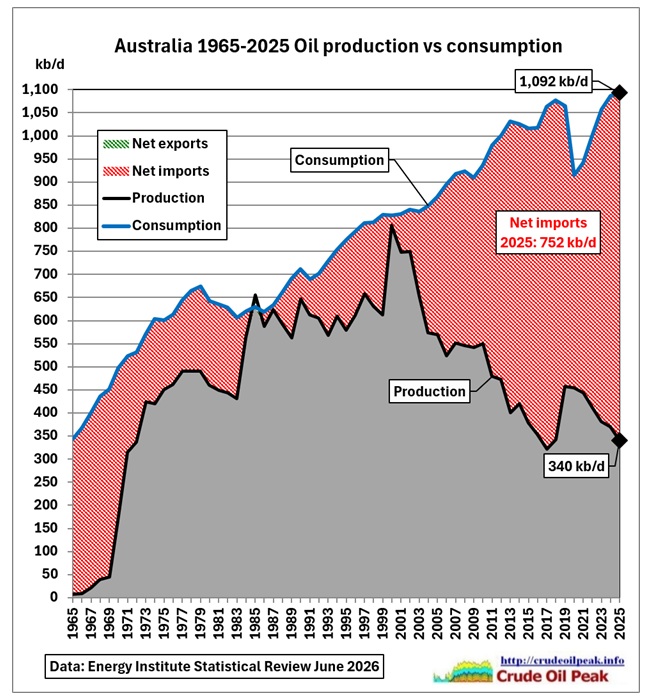 Fig 8: Australia net imports
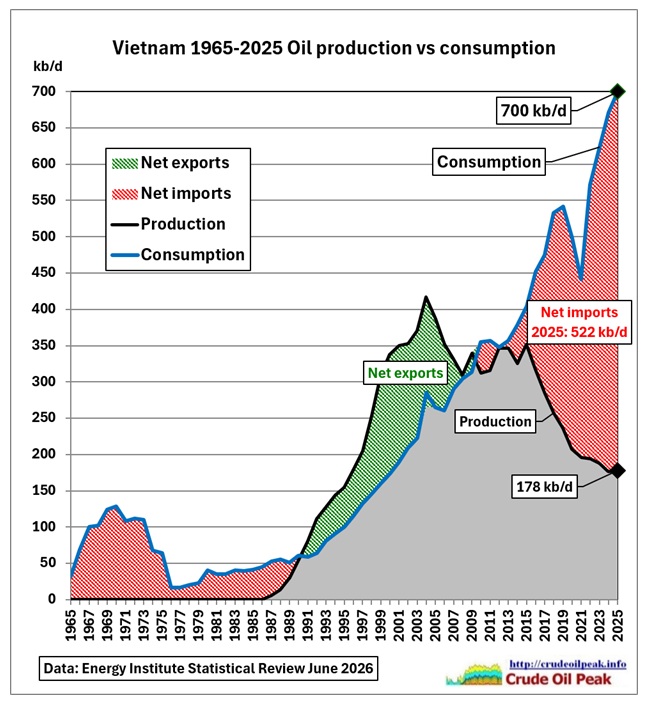 Fig 9: Vietnam net imports
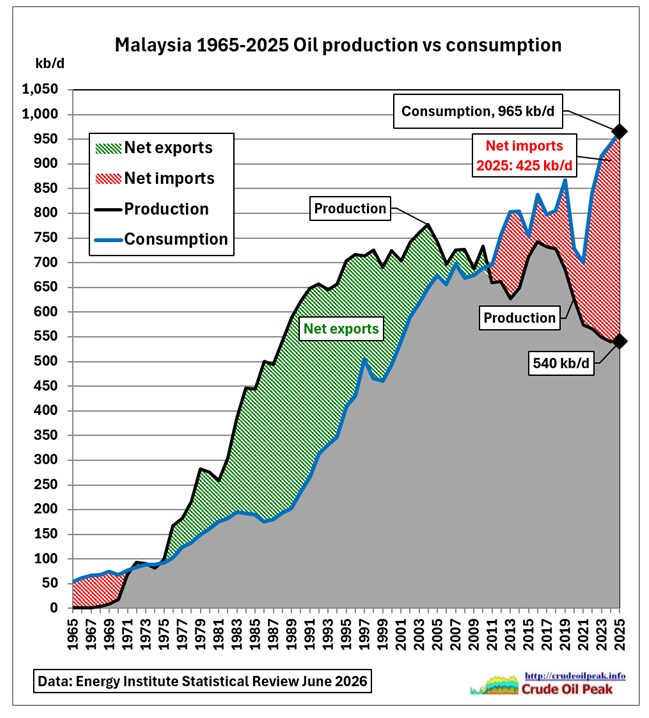 Fig 10: Malaysia net imports
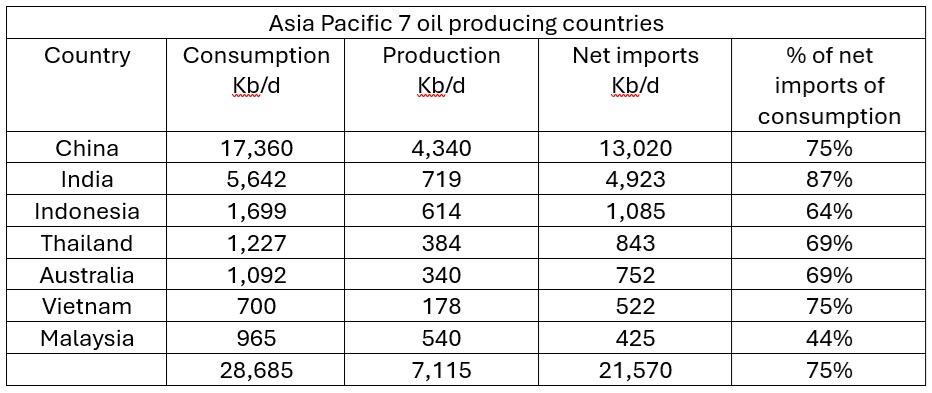 Table 1: On average, 75% of consumption is imported
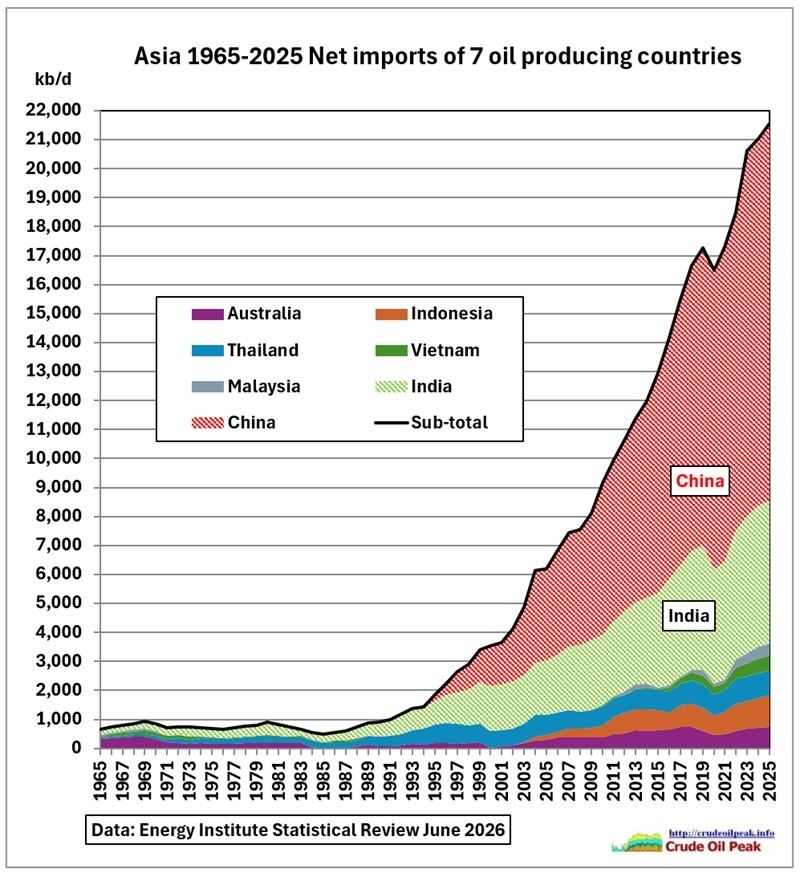 Fig 11 Net imports 7 countries from table above
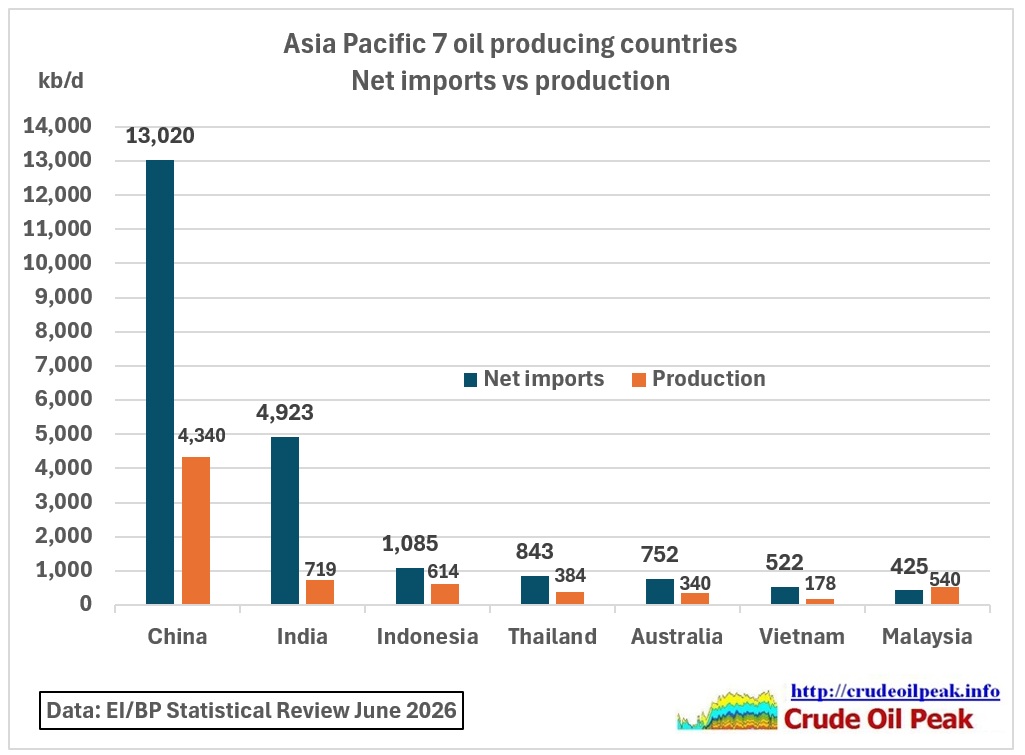 Fig 12: 7 oil producing countries: net imports vs production
3 major non-oil-producing countries
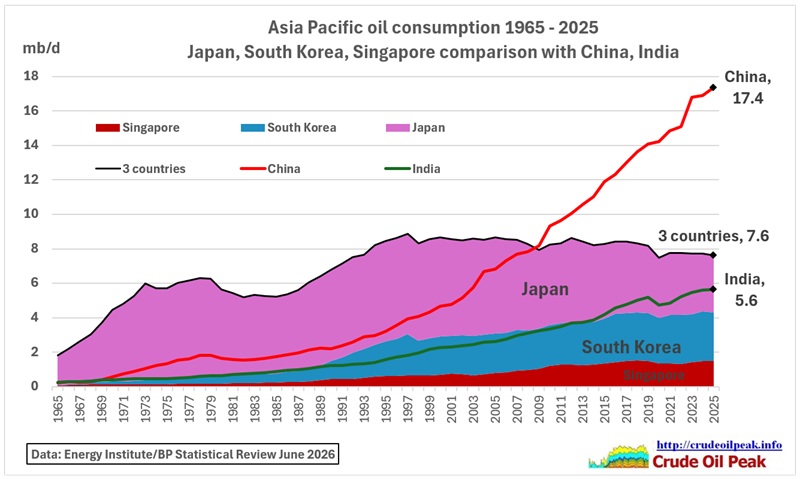 Fig 13: Oil consumption Japan, South Korea and Singapore vs China and India
Of course, China dwarfs everyone else, with India second which imports more than the other 5 countries together in the above graph.
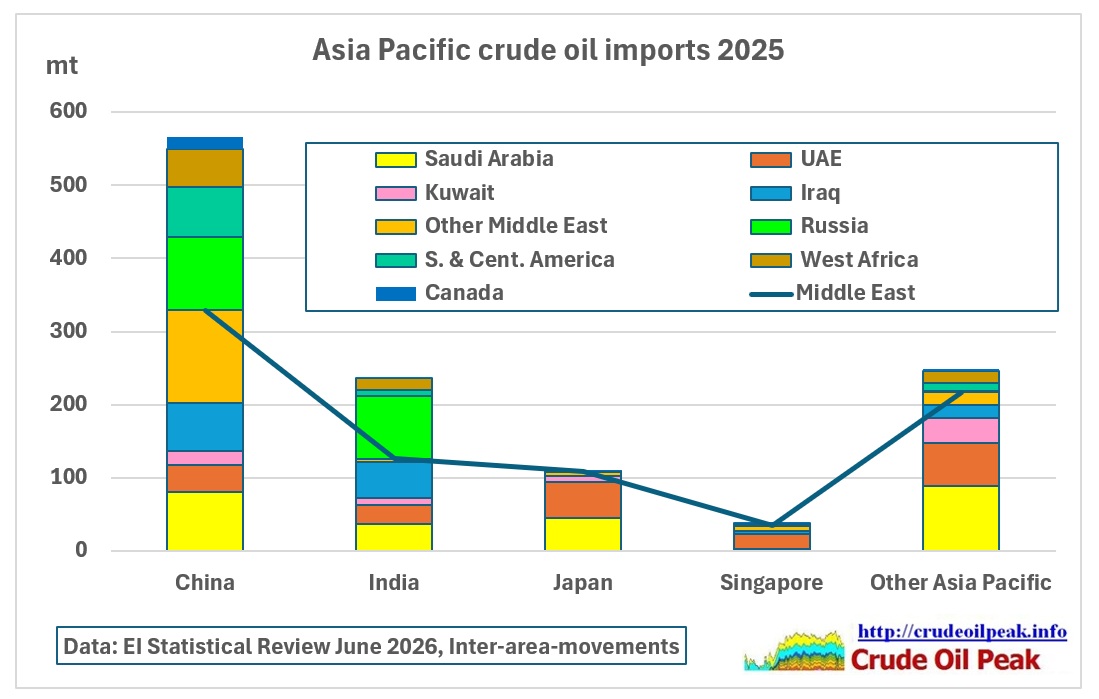 Fig 14: Asia Pacific crude imports 2025 of 26.5 mb/d (from Middle East 16.4 mb/d = 62%)
Note India’s and China’s crude imports from Russia.
Oil Prices Surge Above $111 as Houthis Strike Saudi Targets
Oct 22, 2026
Crude oil prices extended their earlier gains today, with Brent crude keeping above $111 per barrel after the latest reports from the Middle East, featuring more Houthi attacks on Saudi targets.
An order by the U.S. federal government for non-emergency personnel in the kingdom to leave contributed to the perception of an unstable security situation in a key oil region.
At the time of writing, Brent crude was trading at $111.10 per barrel, with WTI $98.98 per barrel, both up by more around 2% from Wednesday, after the Yemeni Houthis struck an oil field in Saudi Arabia and another international airport.
Meanwhile, Iranian media reported explosions in the southern part of the country, without specifying the nature or origin of these. Separately, in an op-ed for the Financial Times, Iran’s foreign minister Abbas Araqchi said Iran was ready to defend itself and suggested the chances of a peace deal are slim. “To state the obvious, we have no trust whatsoever in the sincerity of the US administration’s professed desire for peace with Iran, Araqchi wrote, noting two occasions where the U.S. attacked Iran while negotiating on the nuclear deal.
In a separate statement, the country’s president, Masoud Pezeshkian, told media that peace talks could not proceed while the United States had a blockade on Iran and issued threats against the country. With this, the prospect of peace in the Middle East remains remote, with all due implications for oil and gas trade.
ING’s commodity analysts, meanwhile, noted a Kuwaiti update on oil production, with the daily total topping 2 million barrels. While this is a positive development, the update, from the chief executive of Kuwait Petroleum Corp, also mentioned fuel production, which remains quite problematic, with flows still significantly lower than they were before the war.
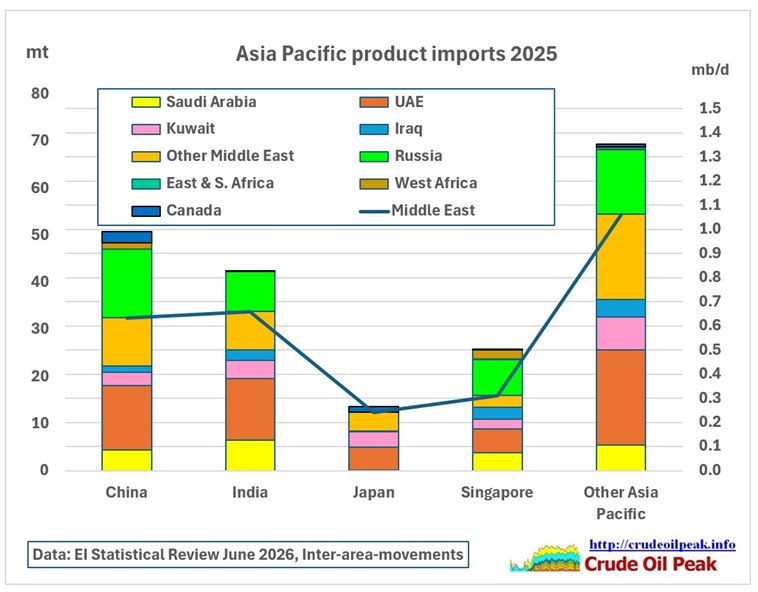 Fig 15: Asia Pacific product imports 2025 of 9.4 mb/d (from Middle East 2.9 mb/d=31%)