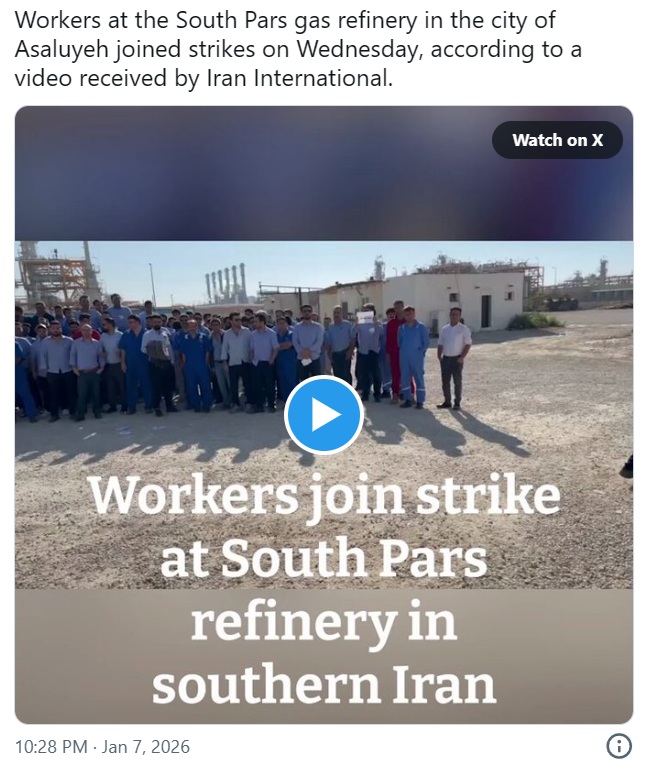
But see article below by the Middle East Forum why strikes have not spread.
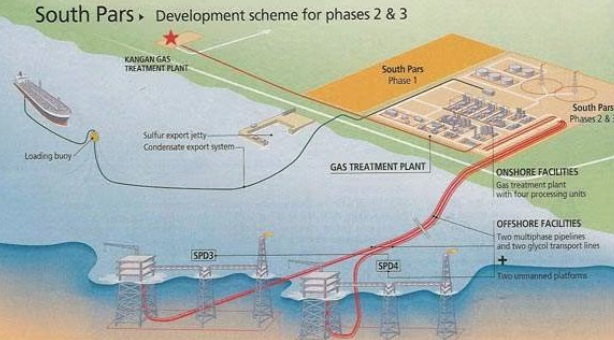
https://www.offshore-technology.com/projects/southpars
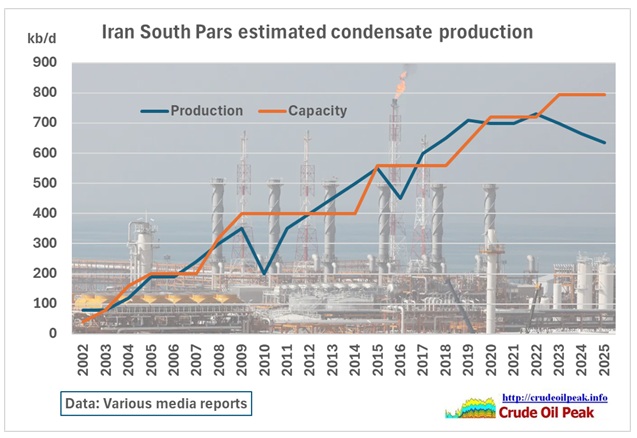 Fig 1: Iran South Pars condensate production (estimate)
Iran on the edge: What the outside world misunderstands about a nation in revolt
7 Jan 2026
https://www.abc.net.au/religion/iran-on-the-edge-how-to-understand-a-nation-in-revolt/106206836
How Iran Sanctions and a Currency Crash Triggered Mass Protests
9 Jan 2026
The rial is weakening rapidly amid tightening sanctions and lower oil prices
The rial has been under pressure for years due to Western sanctions and systemic corruption that’s undermined confidence in the economy. The rial slumped by around 45% against the US dollar in 2025, according to Bonbast.com, as Iranians converted savings into foreign currencies, gold or property.
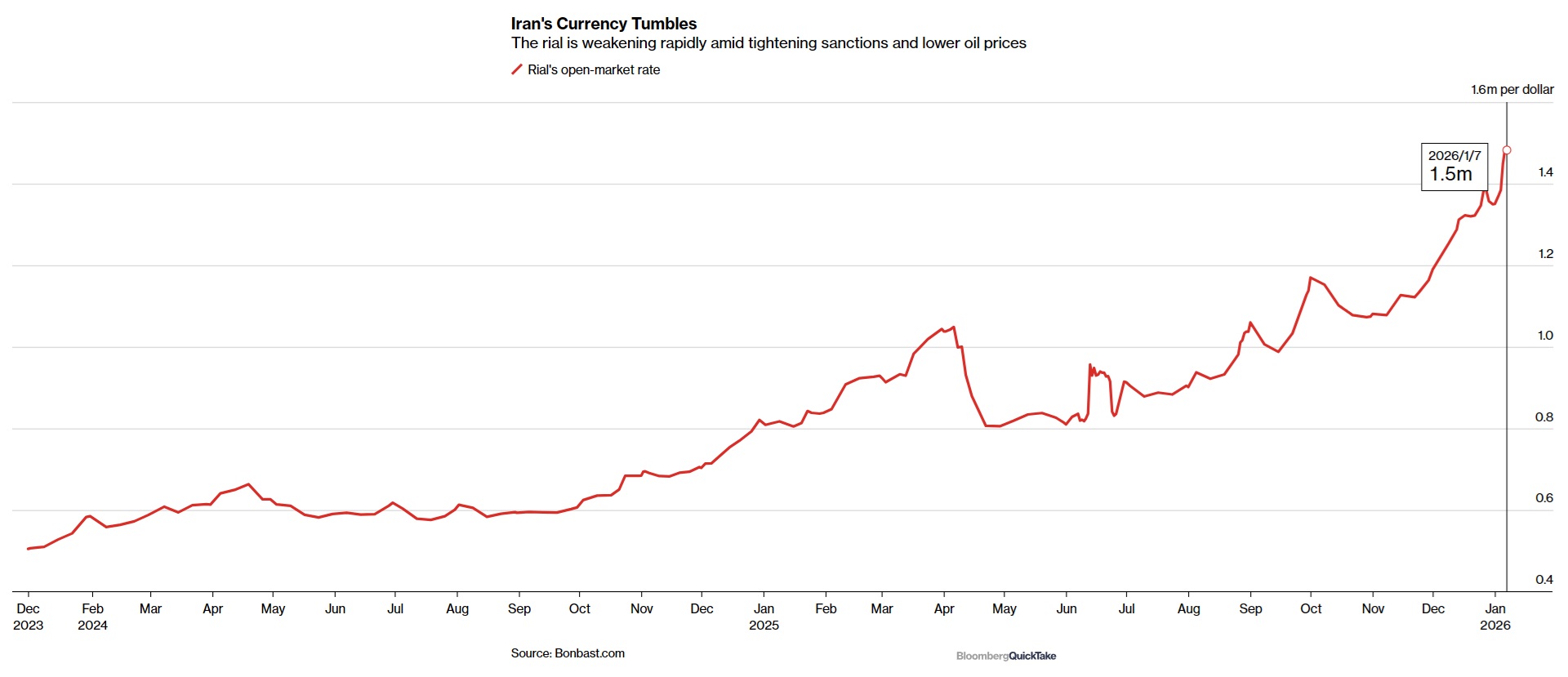
https://www.bloomberg.com/toaster/v2/charts/e1wjudybkleasxiajzqk5wliow9q2a3w.html
A slow-burning economic crisis in Iran has reached a tipping point after a slump in the national currency to a record low made even basic goods unaffordable for much of the population.
Shopkeepers and merchants were among the first to react taking to the streets of the capital Tehran in late December to vent their frustration at a government they accuse of mismanaging the economy. The unrest spread into a broader protest movement involving students, workers and other groups calling not just for an improvement in living standards but an end to the Islamic republic system led by Supreme Leader Ayatollah Ali Khamenei
https://www.bloomberg.com/news/articles/2026-01-08/iran-protests-explained-how-inflation-and-a-currency-crash-fueled-unrest
Iran’s Economic Breakdown: How a Currency Crash Threatens the Regime
9 Jan 2026
Iran’s economy is buckling under a severe currency collapse. The rial has fallen to record lows, losing half of its value against the US dollar last year, and the impact is hitting households with full force. Food, medicine, rent — everything essential has become harder to afford.
Traders and shopkeepers were among the first to take to the streets as inflation accelerated, but protests have since spread across major cities and universities. The central bank chief has resigned, flights are being cancelled, and the country is now in a near‑total internet blackout.
A Crisis With Global Reach
Iran’s internal turmoil carries global implications. The next phase of the crisis will hinge on how the Iranian state responds to growing unrest and how outside powers choose to react. The White House has signaled a willingness to intervene militarily if violence against civilians escalates, and strikes on Iranian nuclear sites last summer show that these threats may not be idle.
A sudden collapse of Iran’s government would send shockwaves through global energy markets, affecting supply expectations, shipping, and investment decisions.
China, heavily reliant on that discounted Iranian crude, would face renewed uncertainty just when it lost its other cheap supplier: Venezuela.
And tensions around the Strait of Hormuz, one of the world’s most critical energy corridors, could raise insurance and transport costs even without direct disruption.
We don’t know whether we see the beginning of a revolution. The last time Iran experienced a revolution, oil production collapsed. The media’s narrative that the world is awash in oil may be misplaced.
 Fig 2: Iran crude oil and condensate production 1973 – September 2025
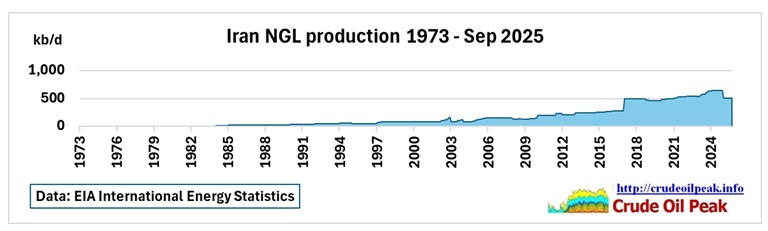
Fig 3: Iran NGL production 1973 September 2025
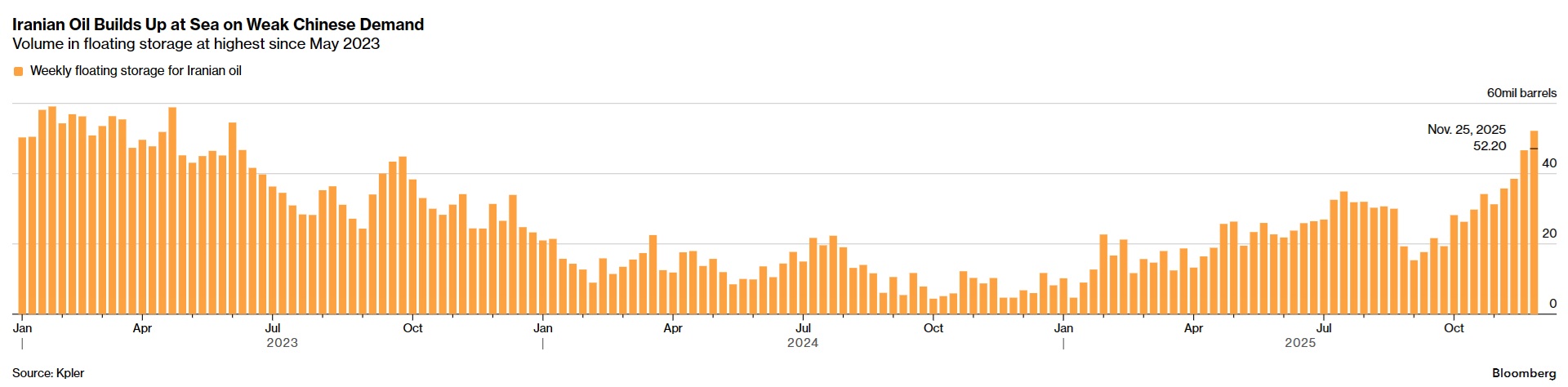 Fig 4: Iran’s floating storage
Iranian Oil Held at Sea Hits Most Since ‘23 as China Demand Lags
25/11/2025
The amount of Iranian crude held on tankers at sea has swelled to the highest in two-and-a-half years, reflecting slower demand from top buyer China even as exports from the OPEC member remain elevated.
There are about 52 million barrels of Iran’s oil in floating storage, with roughly half off Malaysia, according to data from shipping-intelligence firm Kpler
The pile-up has caused discounts on grades such as Iran Light to widen, with a discount of as much as $8 a barrel to ICE Brent, compared with a discount of about $4 in August
The swelling Iranian volumes may add to pressures for weaker prices, with Brent futures — the global benchmark — down by more than 15% so far this year. Despite sanctions.
China is the main taker of Iranian crude, with the nation’s private refiners — known as teapots — the leading importers
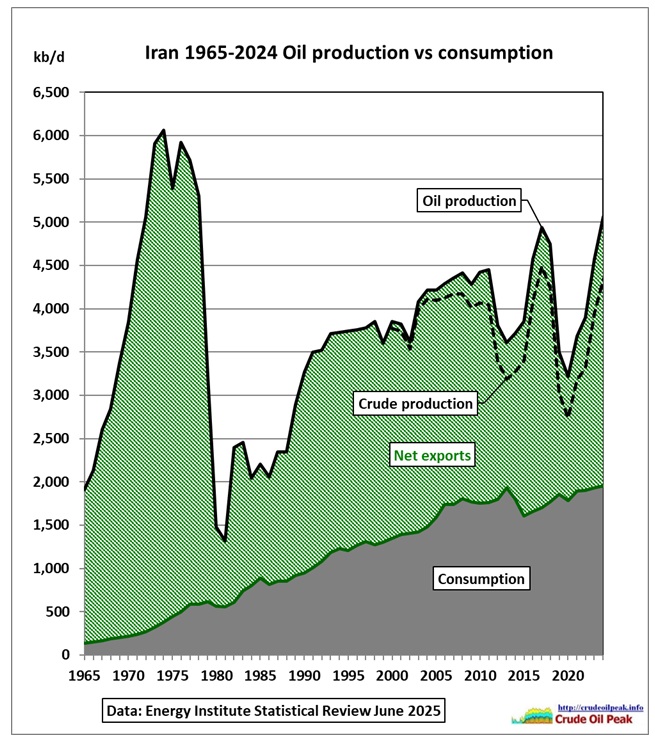 Fig 5: Iran oil production vs consumption
In Fig 5, oil contains natural gas liquids, such as from the South Pars field
Why Iran’s Oil Workers Have Not Struck
January 11, 2026
A Fragmented Labor Force, Strict Security, and Other Factors Constrain Workers from Mobilizing, Not Apathy or Ignorance
Iran’s latest wave of unrest has revived the expectation that sustained protests eventually will reach the oil sector and choke off the regime’s primary revenue stream. That escalation has not occurred. The absence of large-scale oil worker strikes does not reflect apathy or ignorance, but rather a set of structural constraints that sharply limit oil workers’ capacity and incentives to mobilize, even during periods of intense national crisis.
https://www.meforum.org/mef-observer/why-irans-oil-workers-have-not-struck
Coordinated constraints mentioned in this article are:
Labor fragmentation in a 2-tier system consisting of a small core of permanent National Iranian Oil Company employees and contract laborers of private subcontractors who lack job security, collective bargaining rights, and legal protections, making participation in strikes high-risk.
Segmentation through ethnic and regional stratification by contract labor drawn from marginalized ethnic groups whereas senior technical and managerial positions dominated by politically vetted networks.
Economic insulation by preferential treatment of oil workers who receive above average wages, access to housing, health care and other allowances.
Security control under direct IRGC oversight by maintaining a constant surveillance of workers and quickly responding to any sign of organizing by arrests, interrogations and forced confessions.
Communication restrictions and periodic internet shutdowns.
Exports
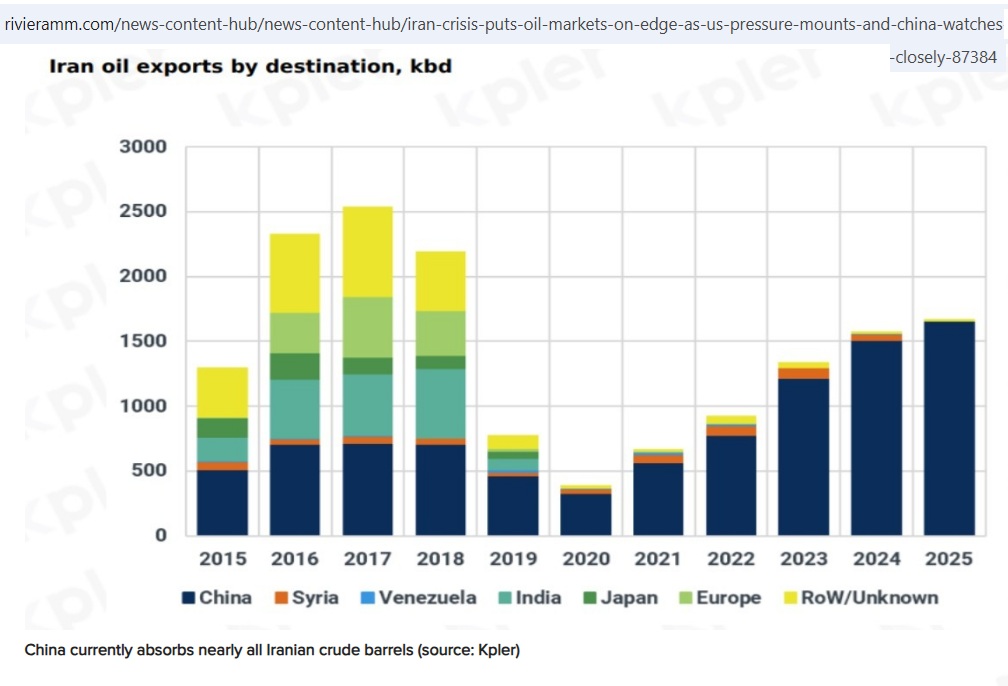 Fig 6: Iran oil exports by destination country 2015-2025
https://www.rivieramm.com/news-content-hub/news-content-hub/iran-crisis-puts-oil-markets-on-edge-as-us-pressure-mounts-and-china-watches-closely-87384
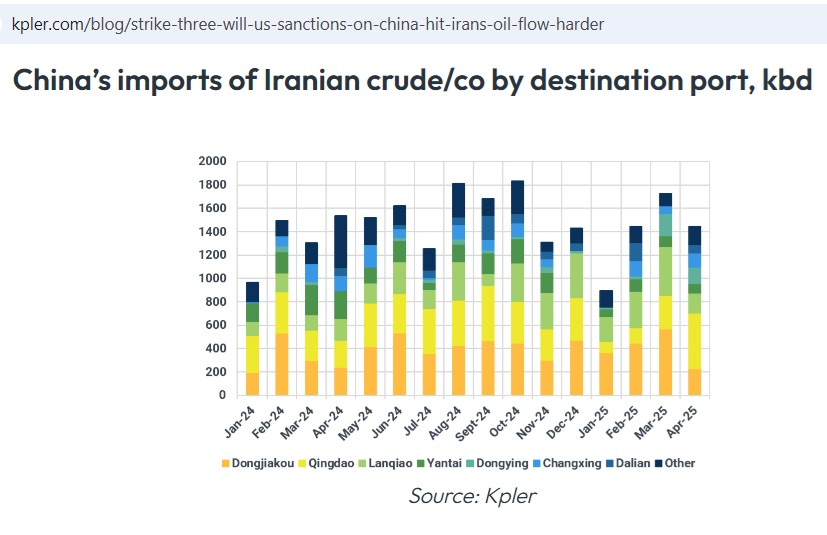 Fig 7: China’s imports of Iranian crude & condensate by destination port
https://www.kpler.com/blog/strike-three-will-us-sanctions-on-china-hit-irans-oil-flow-harder
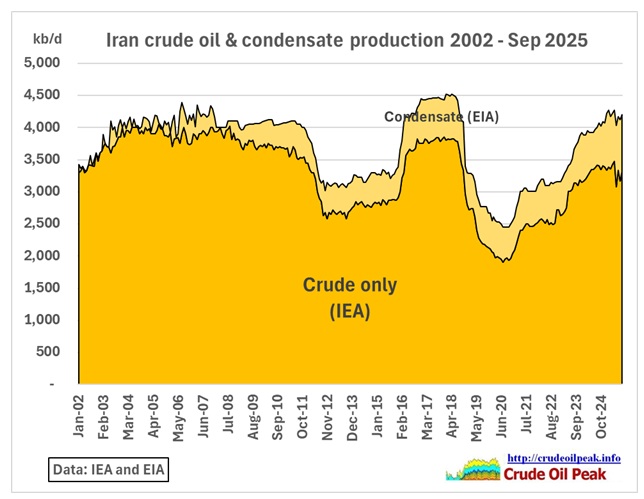 Fig 8: Iran crude and condensate production
The Monthly Oil Market Reports of the IEA https://www.iea.org/data-and-statistics/data-product/oil-market-report-omr have tables for all OPEC countries with crude oil only. In Fig 2 the EIA data contain condensate, so we can calculate the difference (light yellow in Fig 8). We see that condensate production from gas fields (see also Fig 1) has increased over the years and has reached around 900 kb/d in 2025.
WIP