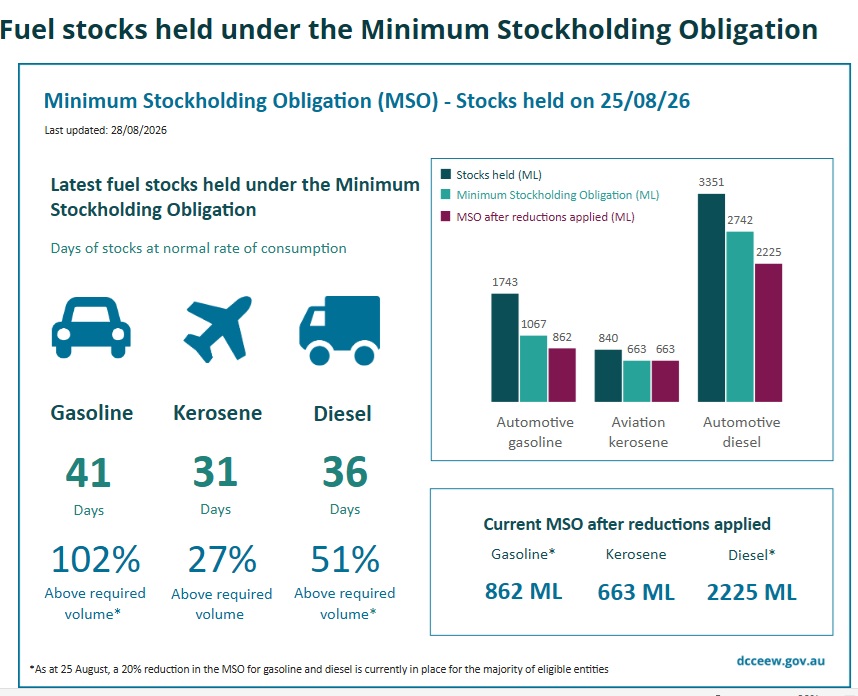
MSO Update 25 Aug published 29 Aug 2026
https://minister.dcceew.gov.au/bowen/transcripts/press-conference-fairfield-west-nsw-2
The Minister may be forgiven for the obligatory, party-political swipe at the opposition repeated every week.
But in fact, during the first 3 months of the ongoing Middle East crisis the government was not calm at all. Thanks God. Shuttle diplomacy of the Prime Minister and the Foreign Minister brought extra fuel imports from Singapore, Brunei, Malaysia, South Korea, China and Japan:
9-11 April Prime Minister in Singapore
14-17 April Prime Minister in Brunei and Malaysia
17 April Conclusion of negotiations on the Protocol on Economic Resilience and Essential Supplies to the Singapore-Australia Free Trade Agreement (SAFTA).
28 April Foreign Minister Penny Wong in Japan
29 April Foreign Minister Penny Wong in China to lift export curbs
30 April Foreign Minister Penny Wong in South Korea
3 May Visit of Japanese PM Takaichi in Canberra (Joint Statement on Energy Security)
17 August Visit of Thai PM Anutin Charnvirakul in Canberra (promise of jet fuel)
Remember:
19/4/2026
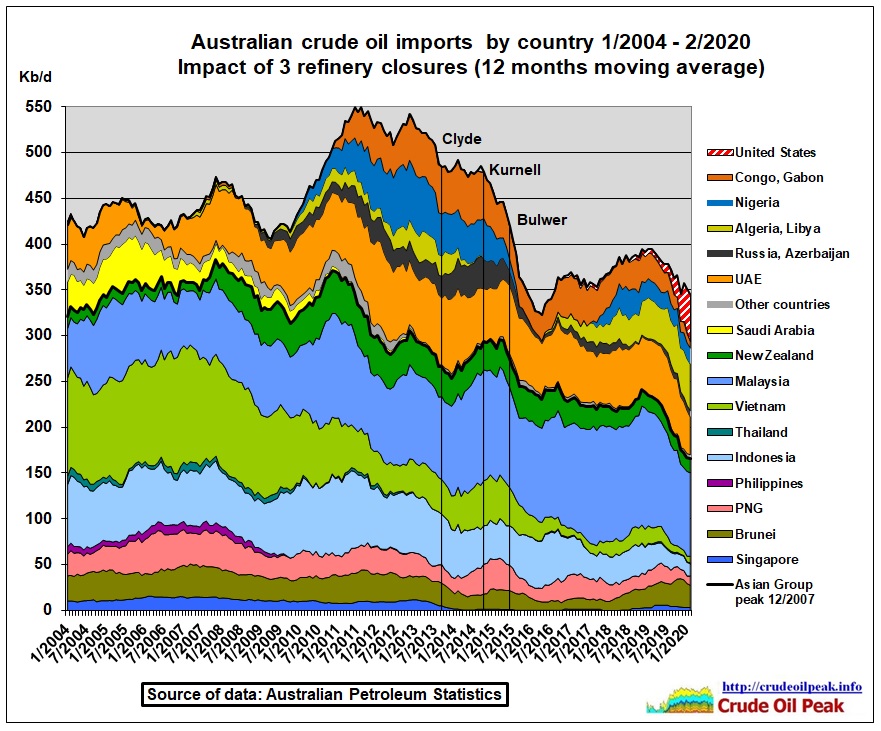
Australian crude and fuel imports from Brunei

https://crudeoilpeak.info/australian-crude-and-fuel-imports-from-brunei
Some of these extraordinary efforts resulted in tankers having to wait for weeks on end to get a berthing slot (due to limited on shore tank capacity at ports and constraints in distribution logistics). This website first reported about one case:
23/6/26
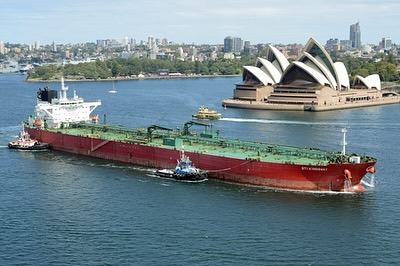
The Odyssey of Panamax tanker GRAND WINNER 5 waiting for 3 weeks offshore Sydney
https://crudeoilpeak.info/the-odyssey-of-panamax-tanker-grand-winner-5-waiting-for-3-weeks-offshore-sydney
The mainstream media finally picked it up:
4/8/26
Labor’s plans to source more fuel leaves shipments stranded at sea
https://www.afr.com/companies/energy/labor-s-plans-to-find-more-fuel-leaves-shipments-stranded-at-sea-20260802-p60krh
GRAND WINNER 5’s Odyssey – which finally clocked up a calm period of 8 weeks offshore Wollongong – ended in Jieyang on 27 August, after bringing a back load of fuel from PNG to Hong Kong:
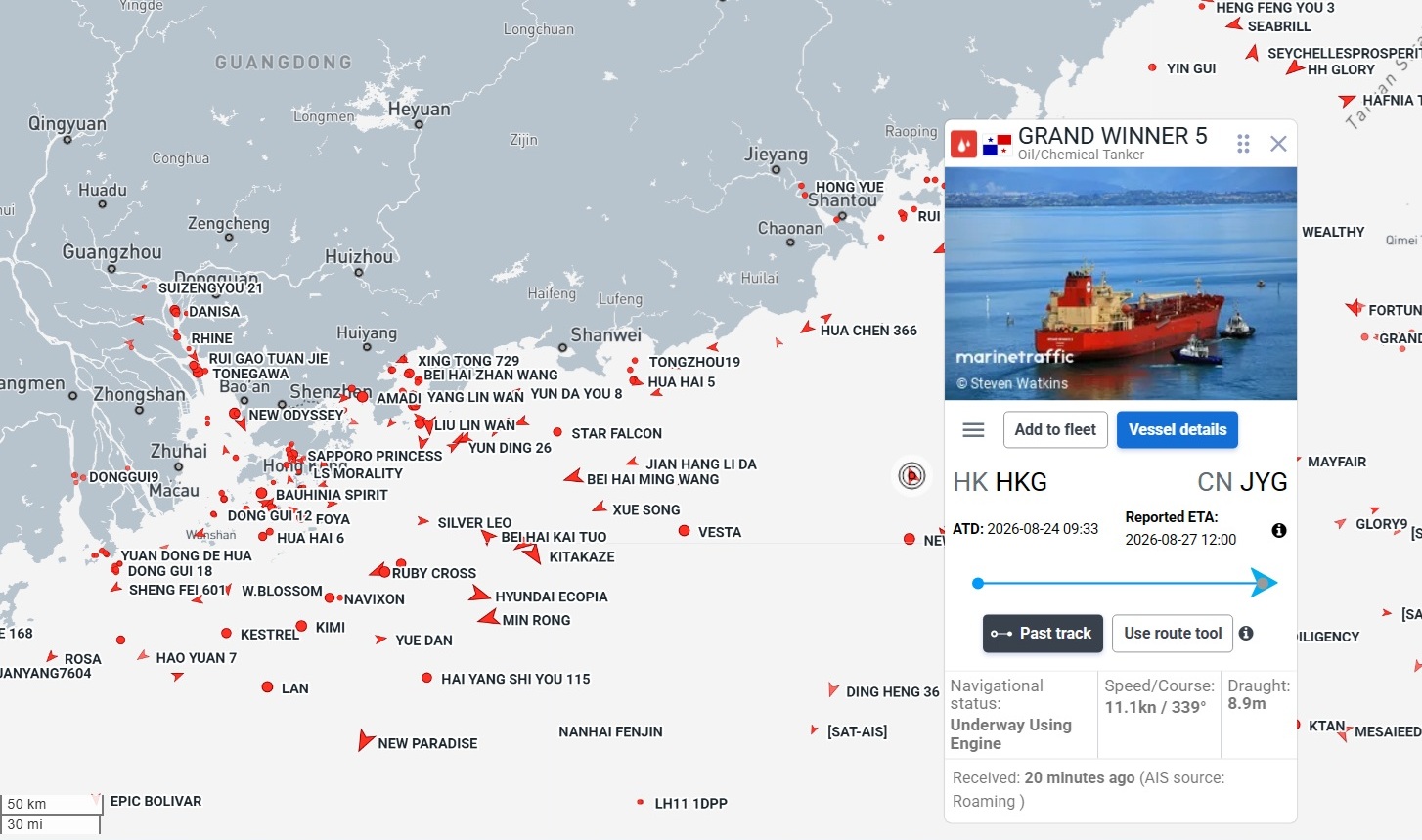 Fig 1: GRAND WINNER 5 among dozens of tankers offshore Guangdong province
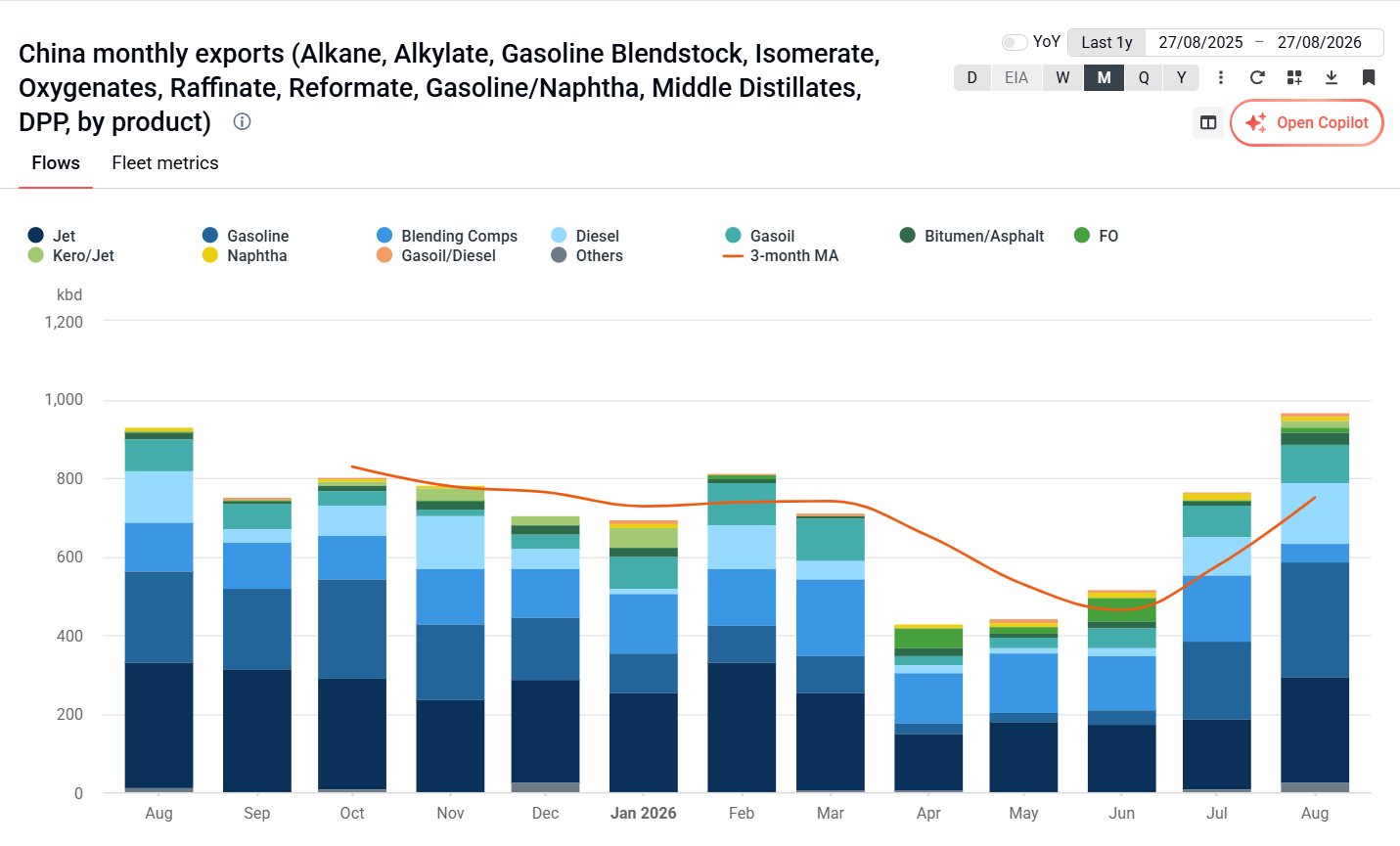 Fig 2: China’s product exports. Something for Energy Super Power Australia?
Let’s check what arrived from China in Sydney:
May: 1 Bitumen tanker, 1 LPG tanker, 1 Medium tanker
June: 1 AFRAMAX LR2 tanker
July: 1 PANAMAX LR1 tanker, 1 Medium tanker
August 1 Medium tanker
And while the Minister was holding his calm press conference the next candidate from South Korea (not China) is waiting since July 12th: HAFNIA MIKALA
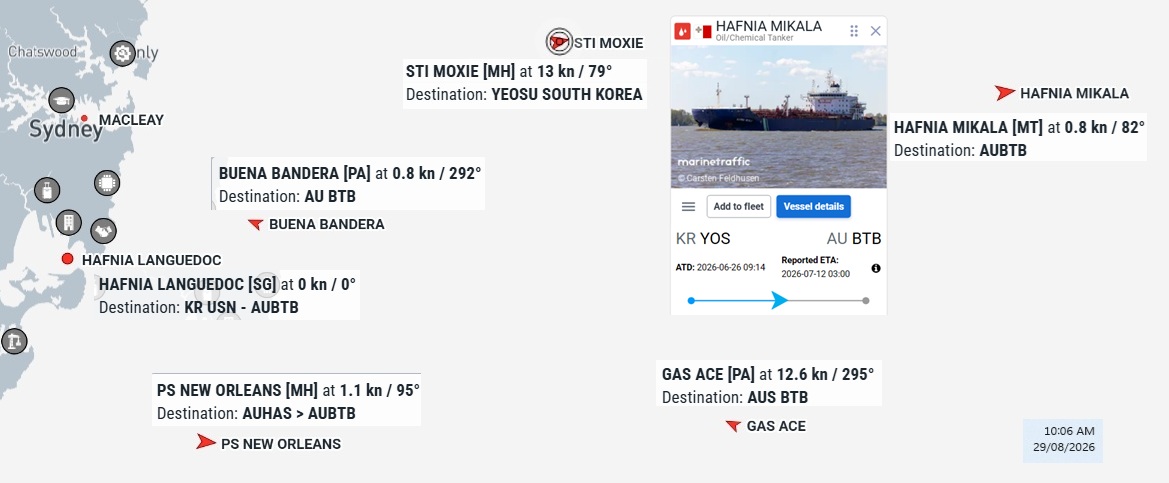 Fig 3: Medium tanker HAFNIA MIKALA departed South Korea (KR YOS) on 26 June and was expected to arrive in Botany (AU BTB) on 12 July
One byproduct of the Minister’s calm approach is that he never refers to the current situation in the Middle East although this information would be very easy to obtain by looking at the twitter page of Marine Traffic:
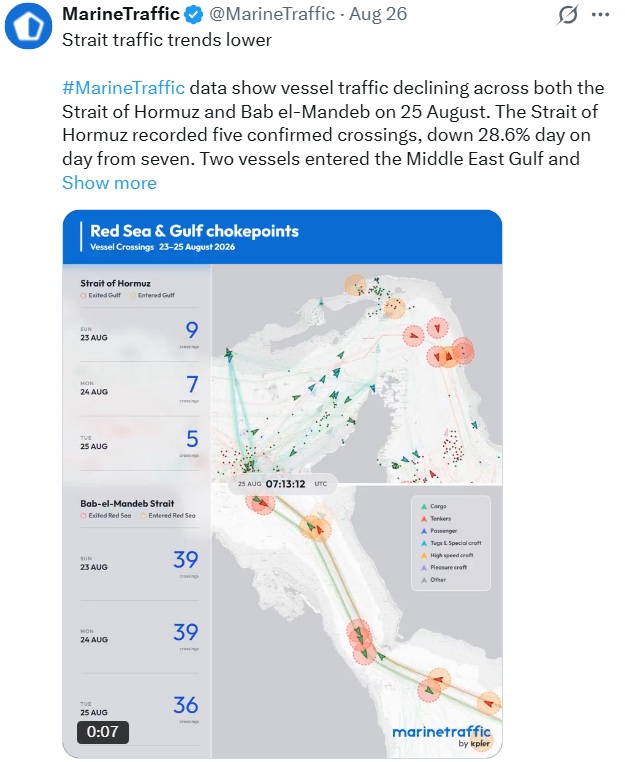 Fig 4: Hormuz and Bab el Mandeb traffic
See animation here: https://x.com/MarineTraffic/status/2092576868889137262
Not to mention the Minister would come to any conclusion about the very likely scenario that the crisis will continue indefinitely and that this would have consequences for the portfolio of fuel consuming projects which are still being pursued as if Australia were on a different planet.
Now let’s just do the weekly graphs
Stock held (in ML, not days)
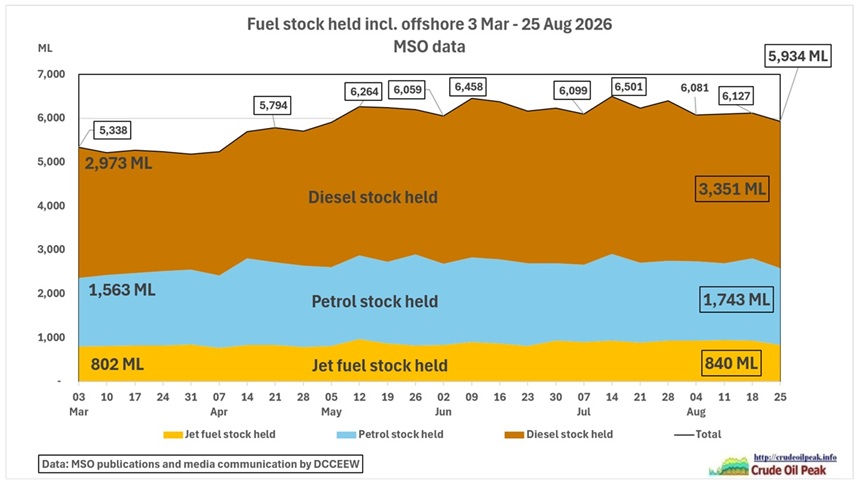 Fig 5: Fuel stocks on a bumpy plateau as onshore/offshore storage is limited
Offshore storage is limited by the high daily cost of tankers.
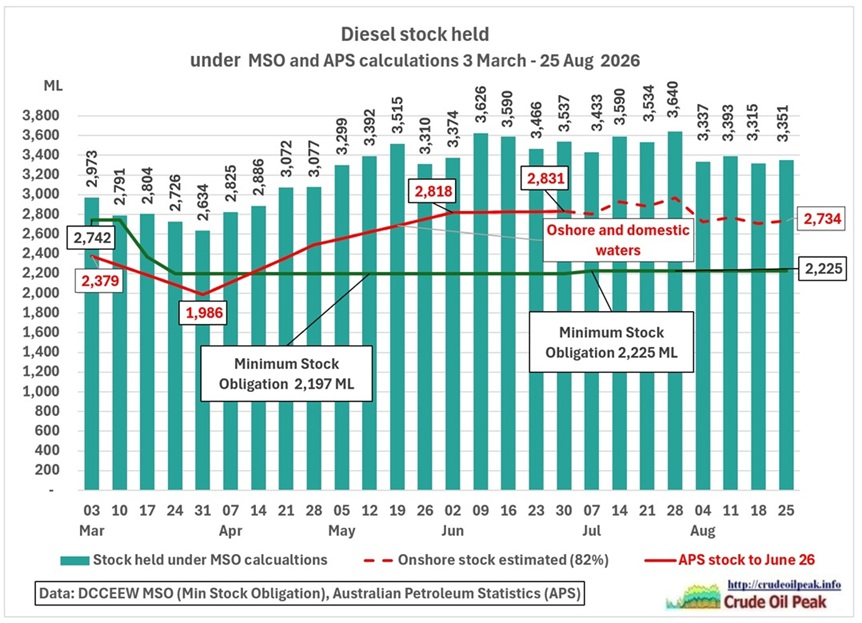 Fig 5: Diesel stock estimated onshore is appr. 2,700 ML or 29 days
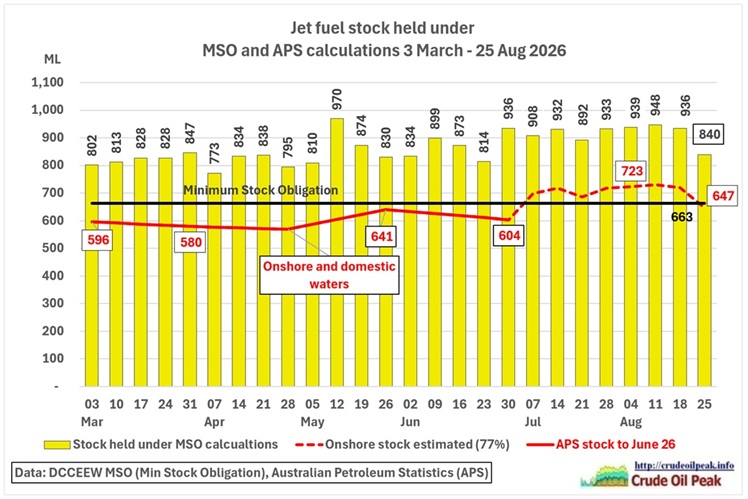 Fig 6: Jet fuel stock dropped to end March levels
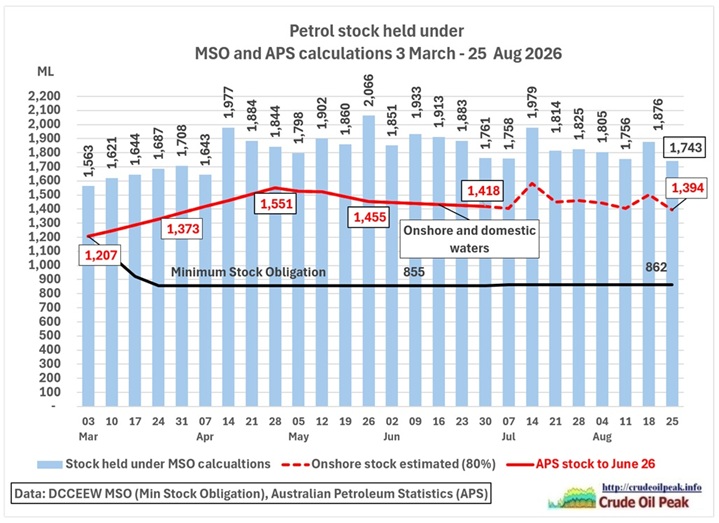 Fig 7: Petrol stock also down to end March levels
Forward orders
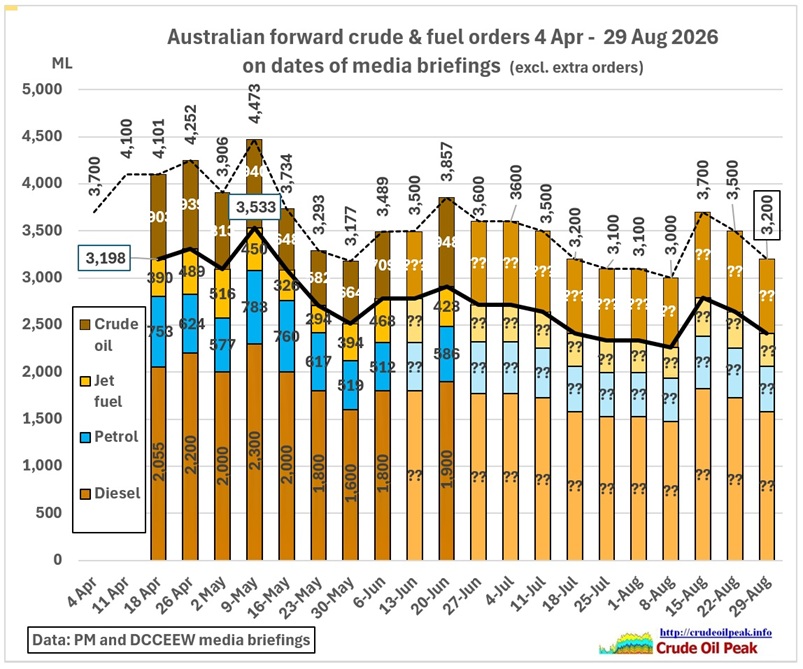 Fig 8: Crude oil and fuel orders came down to July levels
Forget the Minister ever revealing the all-important diesel orders for the next 4 weeks. The columns with ?? marks are guesstimates.
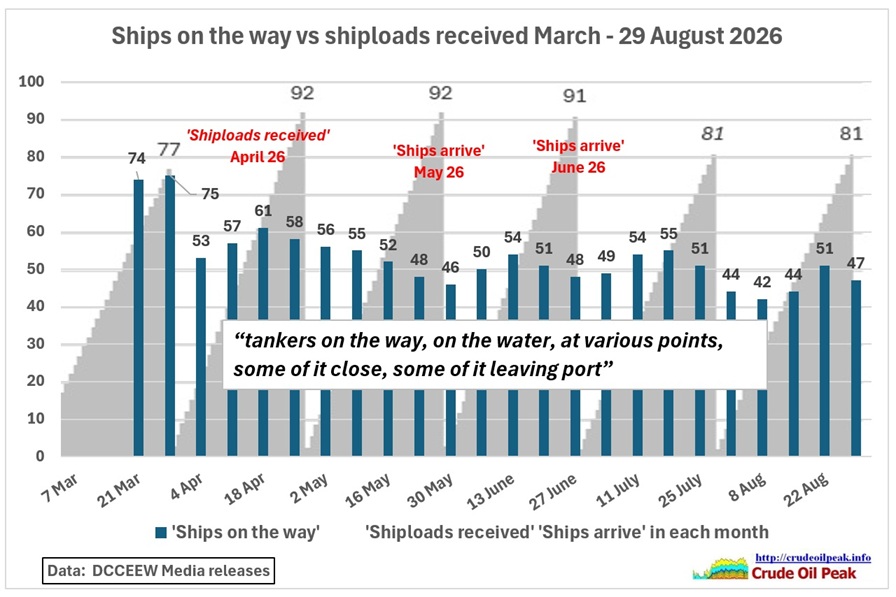 Fig 9: Actual “shiploads received” for July were not quoted by the Minister
The grey columns of cumulative ship loads per month have been guesstimated for July and August.
Media
The Media are also calm… er, quiet. There were no questions on fuel security. Only topics of the day – federal policies on energy supply for data centres and questions outside the Minister’s portfolio (ban on social media, emergence of One Nation party)
Appendix