Location: Lilongwe, Capital of Malawi, dependent on fuel supplies via rail lines through neighbouring Mozambique to the ports of Nacala (1,000 km) and Beira (800 km)
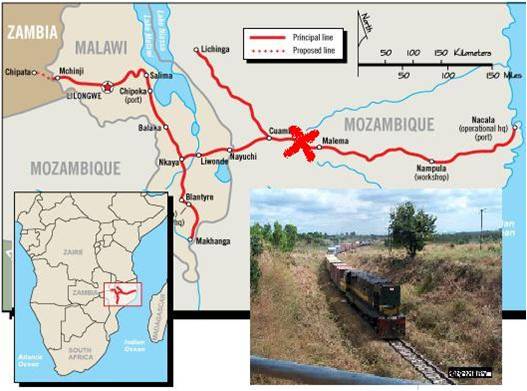
End 1978 I had ordered the African version of the Peugeot 504 from a French factory to be shipped via Nacala. I was waiting for months while the freight agent had lost track of it. Finally we found it was shunted out of sight in Liwonde
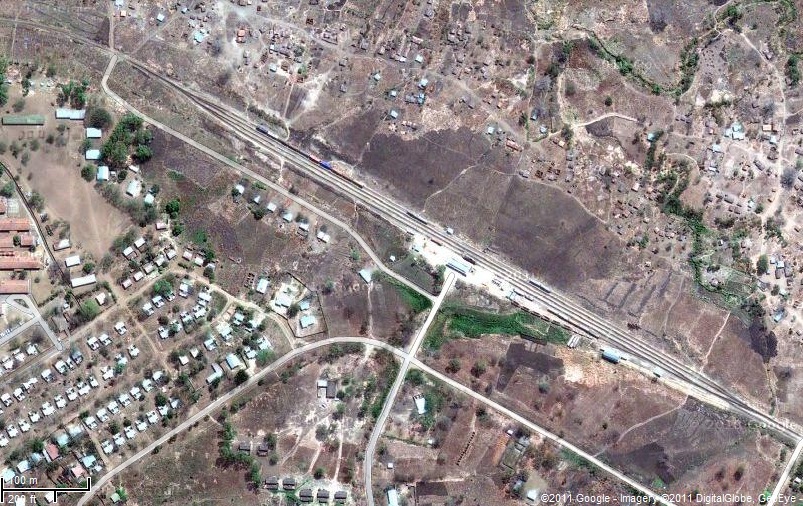
Liwonde rail yard: car stuck here for months and I didn’t know it
Geo-political context: Convergence of 2 events:
(1) Iranian oil production had peaked under the Shah, followed by the Iranian Revolution. General global oil shortage.
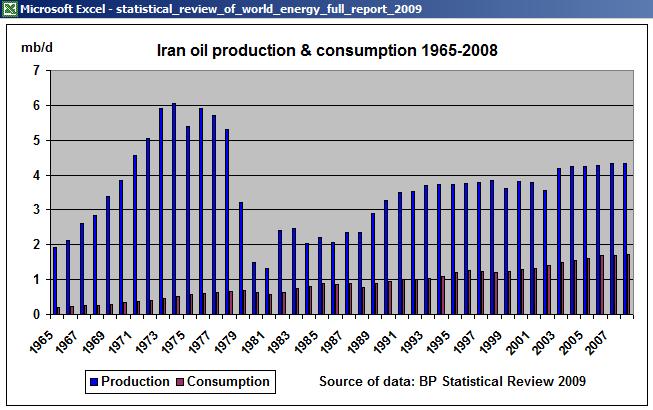
http://en.wikipedia.org/wiki/1979_energy_crisis
(2) Civil war in Mozambique
David Robinson from the University of Western Australia described the situation in a paper published in 2009:
“South African sabotage of Mozambique’s Munhava fuel depot at Beira on 23 March 1979, which destroyed US$ 3 million worth of oil destined for Malawi and subsequent “Renamo’ attacks on the Beira-Malawi railway line through Mozambique (actually carried out by South African Special Forces soldiers) ensured that by November 1979 Malawi had a desperate fuel shortage…….Oil tankers from Johannesburg were arranged to provide emergency fuel by road, while an airlift was organised withWest German financial assistance.”
http://arts.monash.edu.au/publications/eras/edition-11/articles/drobinson.pdf
Excerpt from a letter dated 11/11/1979
“….my car was finally released from customs on Oct. 30 but it was only yesterday I managed to get petrol. But how:
Sat, 10/11. In this week petrol was only available Monday morning for a couple of hrs, with long, long petrol lines. Tuesday, Wednesday, Thursday, no petrol.
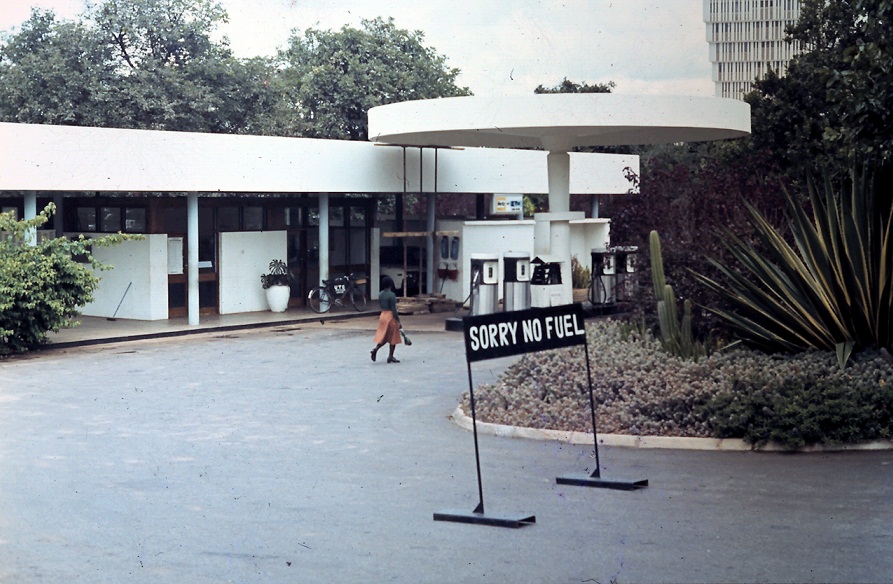
From Thursday 6 pm to Monday 6 am filling stations are closed, new government directive. Friday evening on radio suddenly the news that due to a presidential function in the city filling stations will open on Saturday. But that doesn’t necessarily mean there will be petrol. Petrol lines already form Friday evening. Many motorists leave their cars in the queue where they have fought for a good position, in the hope for Monday.
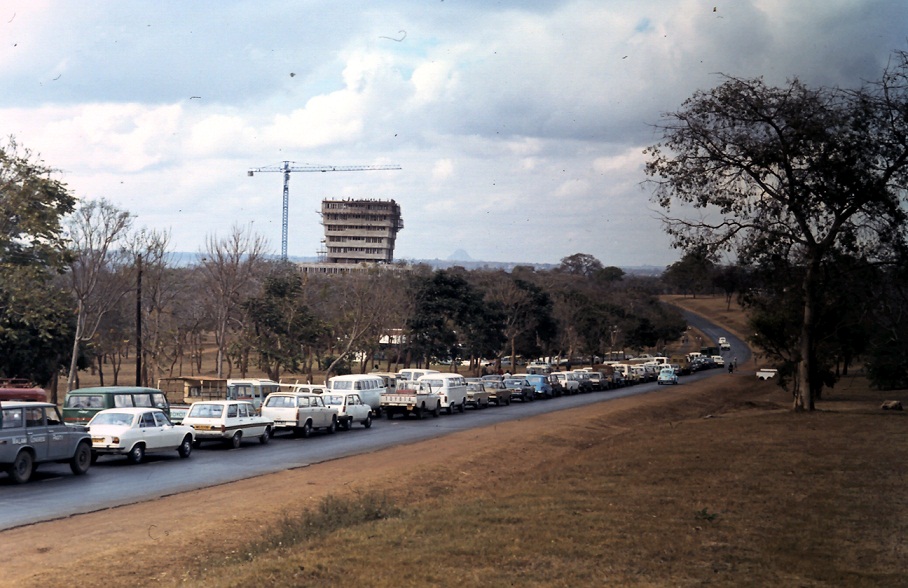
On Saturday I wake up at 6:20. Oh horror, too late, the filling station opens at 6 am. I take my motorbike to have a look and yes, there is a road tanker. They have already started.. I wait in the queue of motorbikes, which get preferential service. Only 3 ahead of me. Got 6 litres. Quickly back home to get my car.
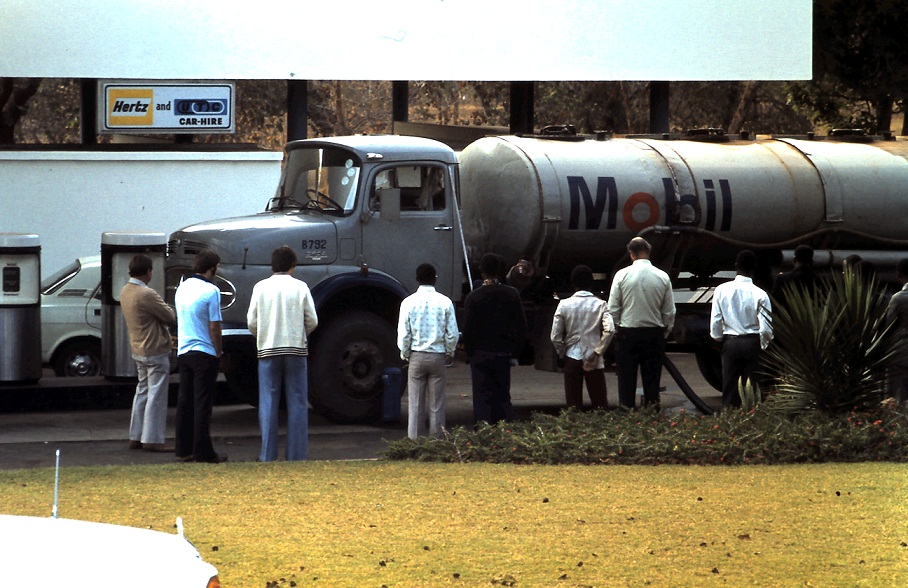 The miracle has happened: Motorists looking at a long awaited road tanker which survived a 700 km rat race from Lusaka, Zambia. Waiting for the service station tanks to be filled is nothing compared to the time they already waited in petrol lines overnight
At 6:45 I am back in the queue of cars. Quite chaotic. Many motorists, who had parked their cars in the queue over night, haven’t come back yet. Therefore, a 2nd queue builds up parallel to the 1st queue. In my line, there are about 50 cars in front of me.
7:30 Moved up a couple of car lengths. Actually, my office work starts soon but this has become common practice now that they are all waiting in the line during office hrs.
8 am: I am No 25 in the queue.
9 am: proceeded by only one car length. Most of the drivers who left their cars over night in the queue have now come back and try to sneak into our new queue. In front of me a green Ford without a single drop of petrol. We have to help the driver push his car.
10 am: #19. Now we get big fat Ministerial Mercedes cars with special permits slipping into the line ahead of us. Around the filling station there is so much pushing, they drive over what are normally beautifully landscaped shrubs and bushes. The rumor spreads the morning load was only 7,000 litres. That’s enough for only 200 cars, or 150 or only 120? With every car in front of me the chance to get petrol diminishes.
10:30 We proceed faster. A friend of mine walks by. He is in the queue at another filling station near by. But petrol there is only expected in the afternoon. They were told the tanker had just left Blantyre (300 km).
10:40 My wife passes by to see how we are going (our house is not far away)
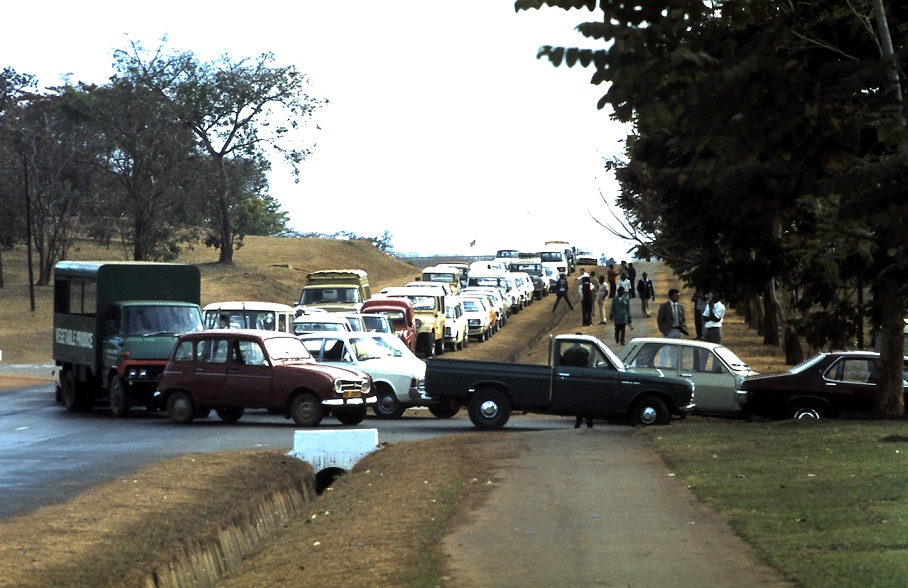
11:15 Only a couple of cars in front of me. A lot of pushing and shoving at 2 bowsers. A 2.8 ltr Land Rover is filled. 50 litres. 60 litres. 70 litres. The pump meter continues turning. Increasing disquiet among waiting motorists. 80 litres. First shouting to stop it. 90 litres. The filling station attendant is urged to discontinue. The driver of the car is nowhere to be seen. At 97 litres the meter stops. Outcry in the crowd: Shameless! Waste of petrol! The driver of the Land Rover suddenly appears and quickly drives away. In the meantime, a wrangle starts at the 2nd bowser. A woman complains about the motorbikes which get in front of her. The guy in front of me has big problems: the last meters up to the filling station are steep. 5 people help to push the car. I slide along a brick behind the rear wheel so that the car doesn’t roll back into my new car.
11:30 Finally made it to the bowser. But the car in front of me can’t start because it was driven empty up to the last drop. And while they try to get the engine going, a diplomatic car (CD plate) with a special permit is filled. Another 100 litres gone. Will there be enough for me? Many waited for hrs just to see the bowser empty when it was their turn. But I’m lucky this time. 53 litres, K 26.40
11:35 It’s done. Our office closes at 12 am so it doesn’t pay to go back there. I am totally pissed off and go straight home. In the afternoon I syphon off 1 litre of the precious petrol which I use to rub off the factory coating on my brand new car which has become quite dirty, after months of waiting in a shunting yard on the Nacala rail line.
The syphoning becomes a regular procedure. I use the car, safely parked at home because petrol theft has become very common, as a filling station for my motor bike.”
Happy ending:
We did not waste our petrol on commuting in the city.
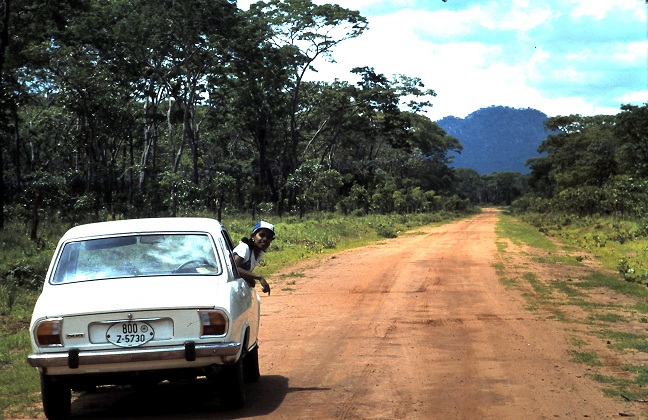
Malawi is a beautiful country with friendly people. The oil crisis in 1979/80 lasted a couple of months. But what is coming now will be a permanent crisis.
And it’s showing up again, April 2011 – July 2011
http://crudeoilpeak.info/malawi-fuel-shortage
————
Links:
Central East African Railway http://www.rrdc.com/op_malawi_cear.html http://www.cear.mw/