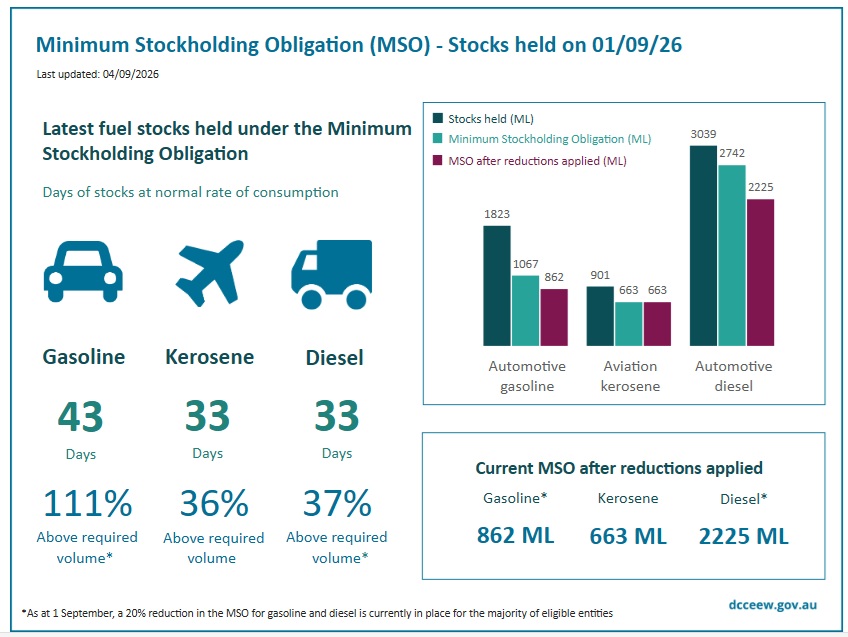
MSO Update 6 Sep 2026
..
https://minister.dcceew.gov.au/bowen/transcripts/press-conference-fairfield-west-nsw-3
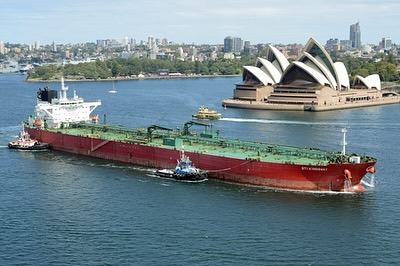
 Fig 1: Comparison tankers on the way and volume to be delivered in next 4 weeks
There is a mismatch this week between number of tankers on the way and volumes of fuels expected in the next 4 weeks. The average so far was 70 ML per tanker. Today’s number is 95 ML, suggesting larger tankers are on the way. No journo noticed it and asked a question.
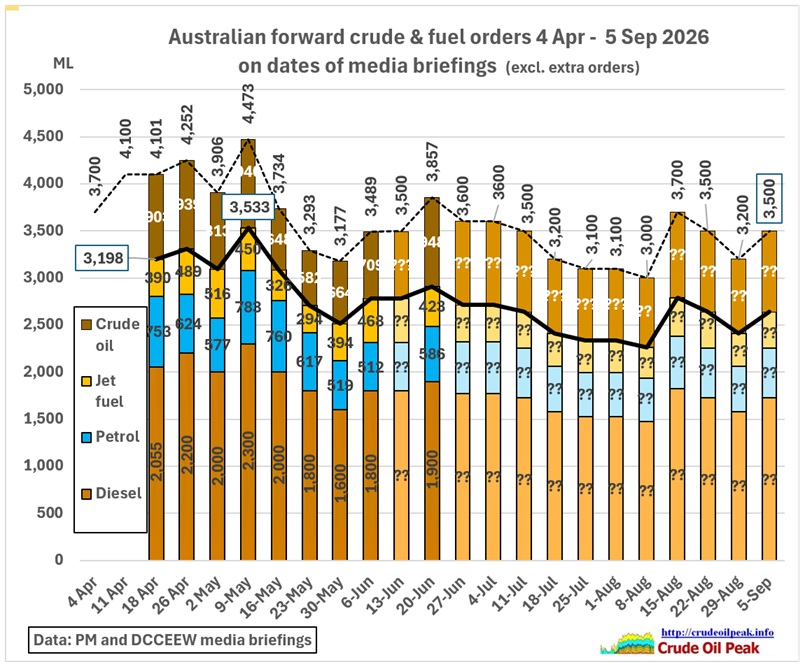 Fig 2: Volumes to be delivered in next 4 weeks
The many question marks mean the information was not given in the media briefings and the column heights were guesstimated using the shares on 20 June:
Press conference – Sydney
Transcript
Saturday 20 June 2026
We have 51 ships on the way to Australia, on the water to Australia as we speak, and we have 3.9 billion litres of fuel contracted, locked in, to be delivered over the next four weeks. That’s around 400 million litres more than my report last Saturday. It consists of 1.9 billion litres worth of diesel, 586 million litres worth of petroleum, 423 million litres worth of jet fuel and 948 million litres of crude oil
https://www.pm.gov.au/media/press-conference-sydney-36
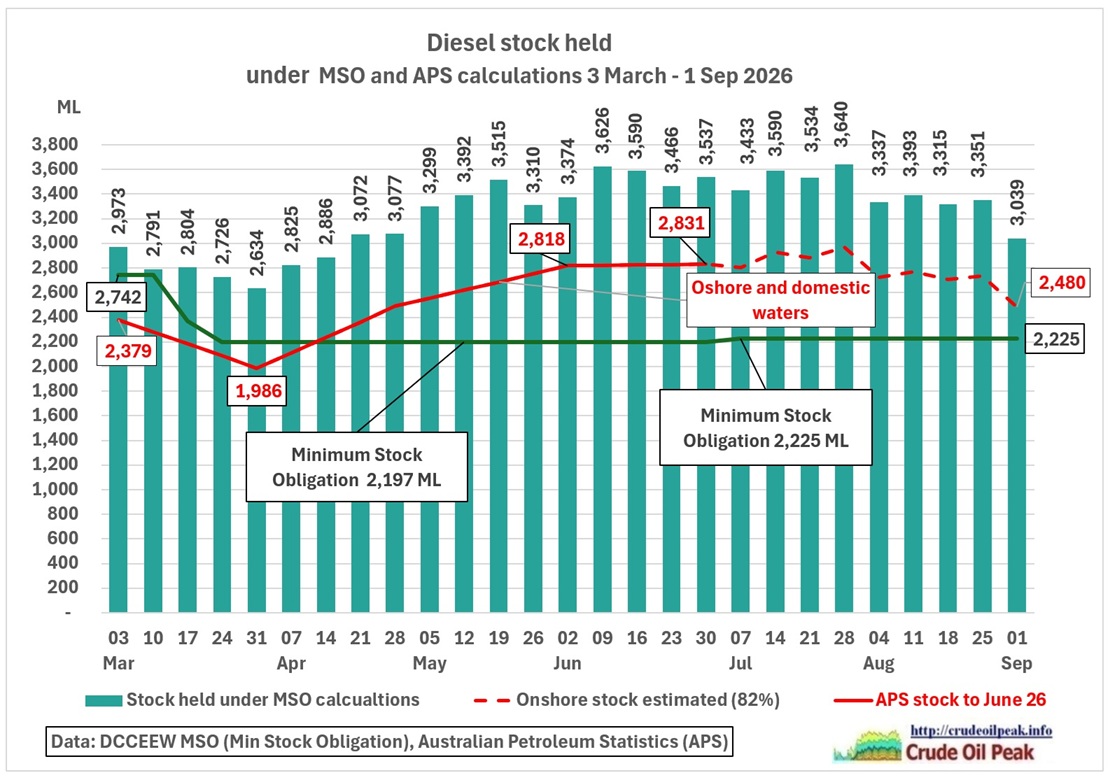 Fig 3: Diesel stock held
..
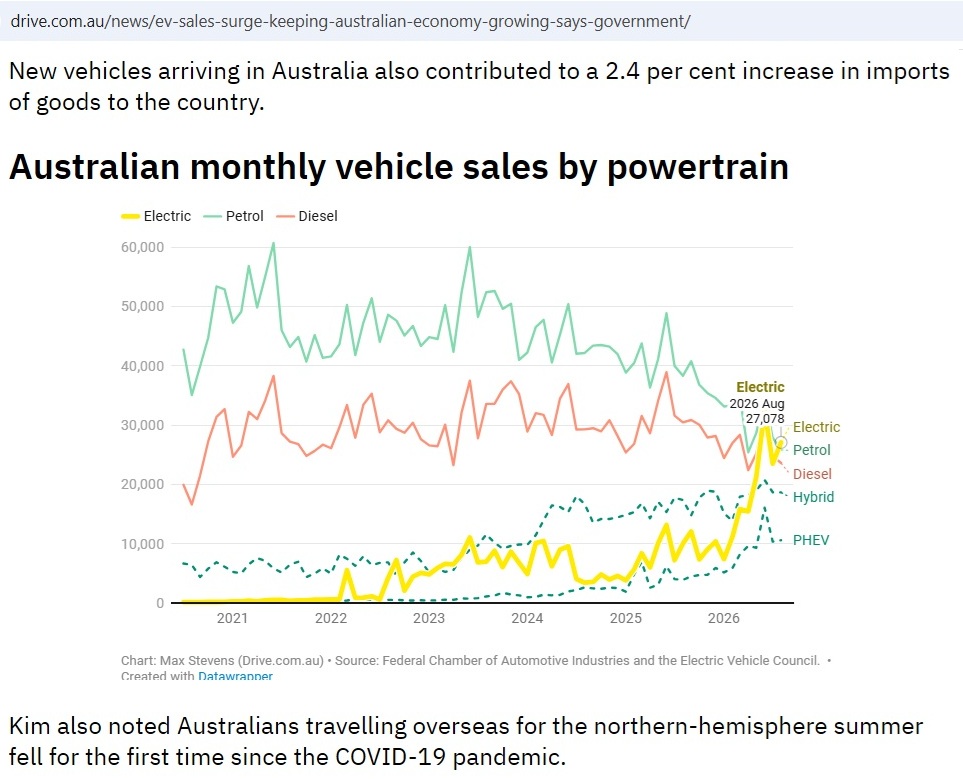 https://www.drive.com.au/news/ev-sales-surge-keeping-australian-economy-growing-says-government/
14 July 2026
Relatively cheap EVs from China are increasingly seen on Australian roads.
But you won’t find many in the US, because of hefty tariffs and bans due to national security concerns.
Now Swedish based, but Chinese owned Polestar is set to stop selling in the US market from next year due to a crackdown on Chinese-linked vehicles.
Today, cyber security expert and former advisor to prime minister Malcolm Turnbull, Alastair MacGibbon on what the Chinese government could do to the cars if it really wanted to.
https://www.abc.net.au/listen/programs/abc-news-daily/are-chinese-evs-a-national-security-risk/106910378
MINISTER BOWEN: I think the Prime Minister and Deputy Prime Minister have been crystal clear since this international situation began. This is not a course of action that Australia was consulted on. It’s not a course of action that we intend to be involved in.
THE CHOSUN Daily
5 Sep 2026
South Korea Reviews Troop Dispatch to Hormuz Strait as Japan Hesitates
UK, France lead multinational mission near Hormuz; Japan cites constitutional limits amid pressure to deploy Self-Defense Forces
As South Korea’s government is reportedly reviewing the dispatch of troops to the Hormuz Strait, attention turns to the movements of other major U.S. allies. While the UK, France, and others have led multinational forces for the strait’s safety and deployed warships nearby, they have not fully entered the strait. Most NATO (North Atlantic Treaty Organization) allies have stated they will support mine clearance once the war ends.
During the 2003 Iraq War, South Korea decided to dispatch troops in March, and Japan enacted the Iraq Special Measures Law in July of the same year. At the time, the Japanese government framed its participation as limited to non-combat zones for reconstruction support, such as water supply, medical aid, and facility restoration, under the premise that “major combat had ended.”
This time, however, there is an emphasis on differing circumstances. The Nikkei Newspaper identified the background of South Korea’s troop dispatch review as “deteriorated ROK-U.S. relations and criticism from U.S. President Donald Trump.” This references Trump’s recent remark that he asked the South Korean president to join the Iran war, but they “said ‘no thanks.’”
https://www.chosun.com/english/world-en/2026/09/05/DJF6GHK5VJEE7PE2ROOF62RNYI/
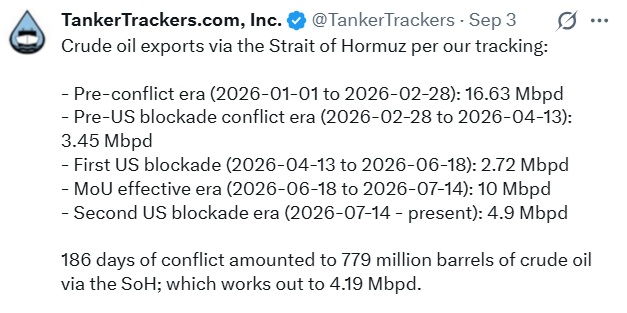
https://x.com/TankerTrackers?lang=en
Conclusion:
Australia imports much of its fuel from South Korea. The Minister never refers to the physical flows through Hormuz and how that might impact Australia even if asked a related question