The following graph shows the NSW maximum power generation reached every evening in the winter month of July 2026:
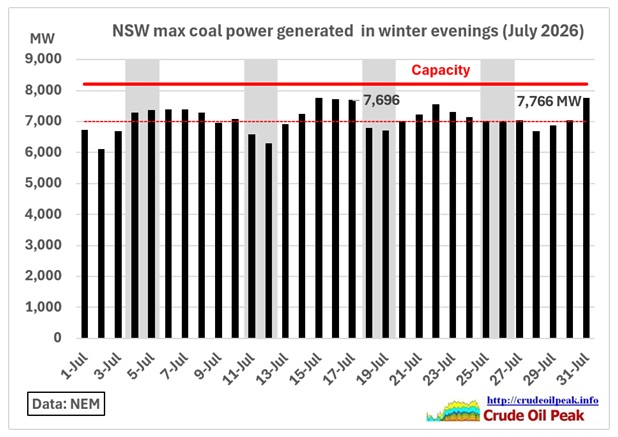 Fig 1: Max daily coal power generation in evening hours
Data are from here: https://explore.openelectricity.org.au/energy/nsw1
The times at which coal generation peaked (very often a very flat peak lasting for hours) varied between 18:30 and 22:30. The maximum during July was 7,766 MW (a Friday), or 95% of the capacity which is 8,200 MW for the 4 NSW coal plants.
The next graph shows the coal fired power plants which contributed to this maximum generation. Data are from here: https://openelectricity.org.au/facilities
 Fig 2: Power generation at maximum by coal plant
Week 30 as an example
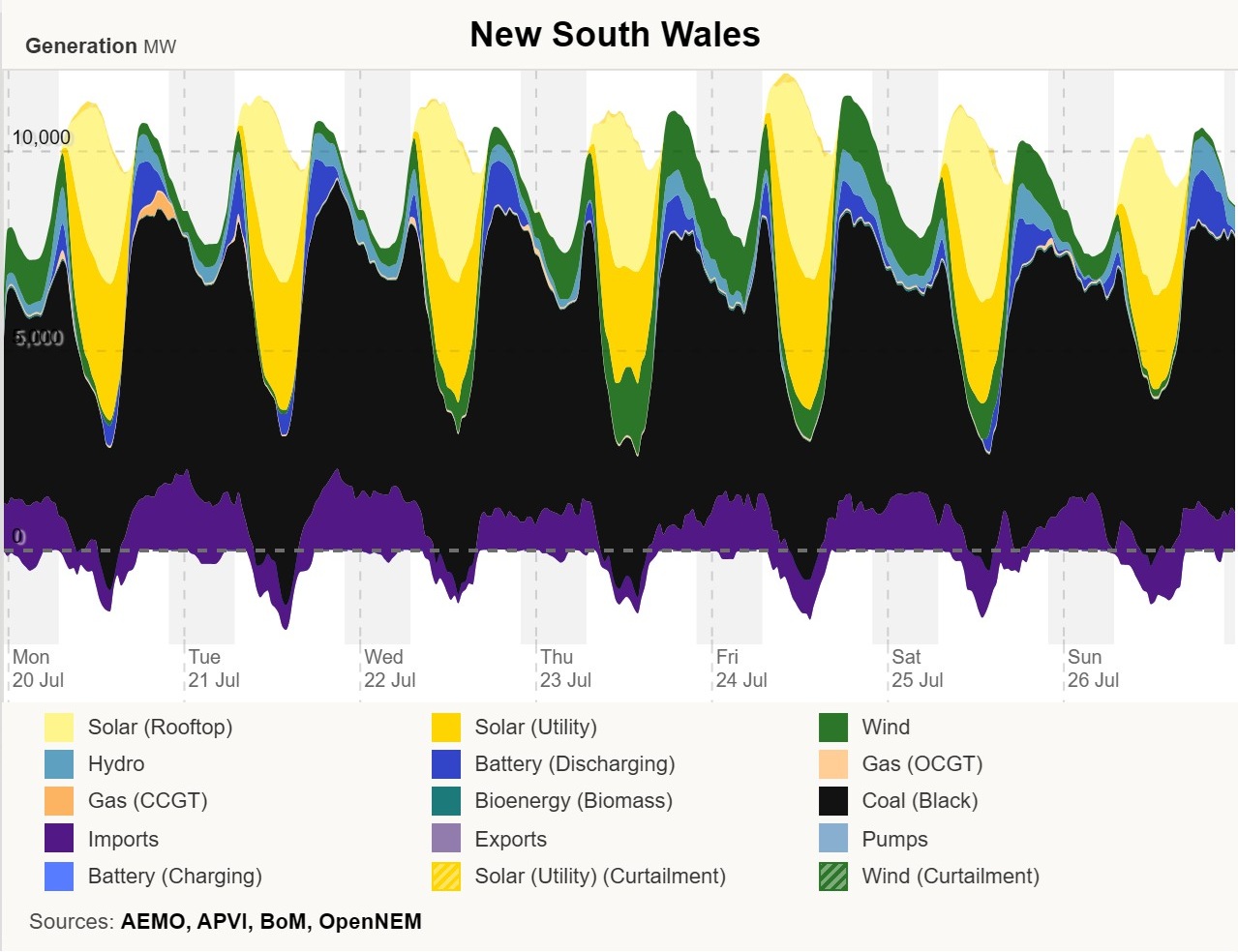 Fig 3: NSW generation by fuel type, week 30 (20/7/26 – 26/7/26)
The imports (violet) at night came from Victoria which had a lot of wind power in that week
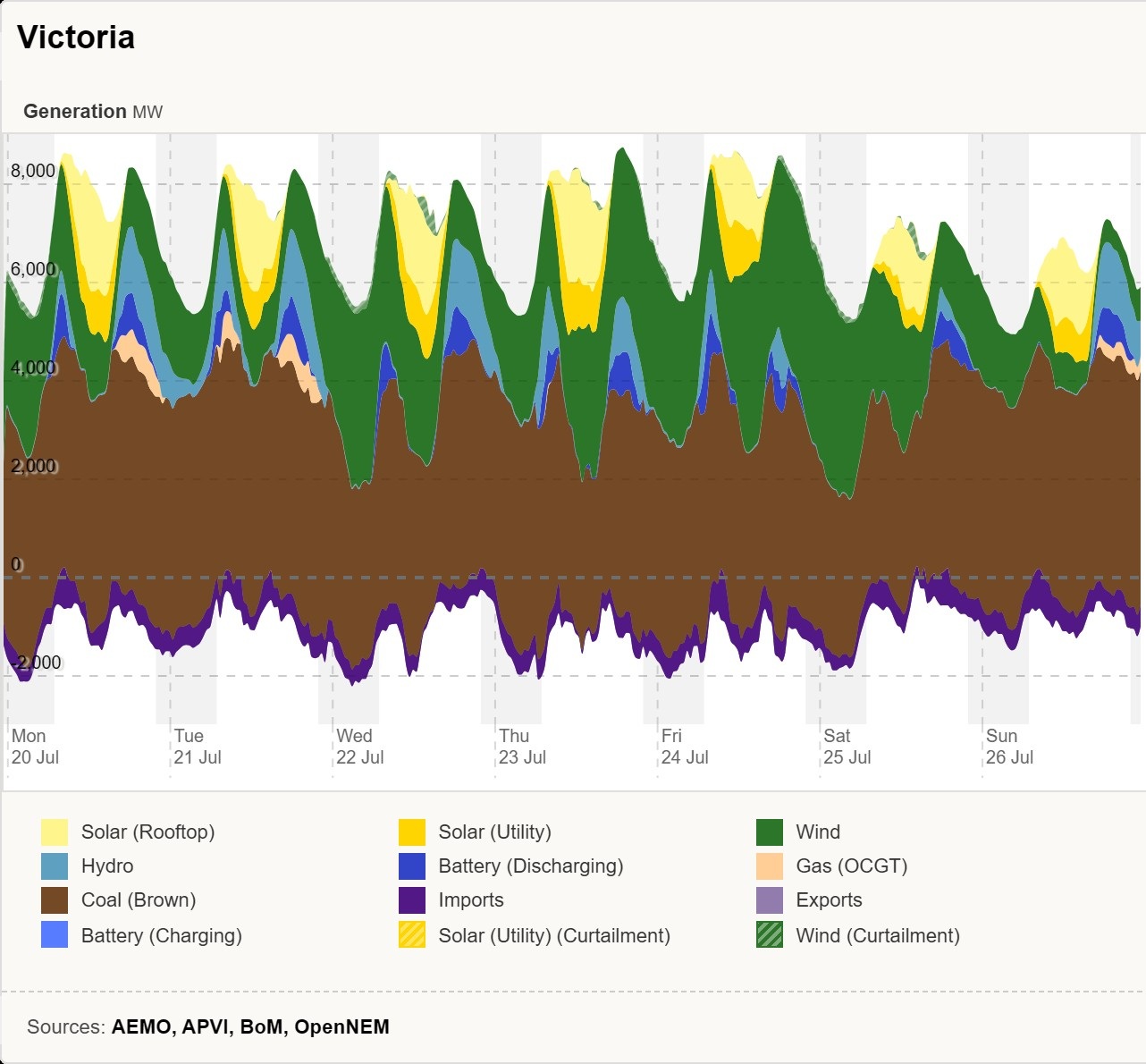
Fig 4: Victoria power generation week 30. Brown coal dominates
Each day there are different conditions to prepare the system for the peak load in the late afternoon and evening:
- Solar power during the day to recharge grid scale batteries, possibly limiting the discharging in the evening
- Wind available
- Hydro available
- Imports from either Queensland or Victoria
- Gas as last resort
- Temperatures and therefore heating requirements
- Weekday-weekend
- Public holidays, school holiday
.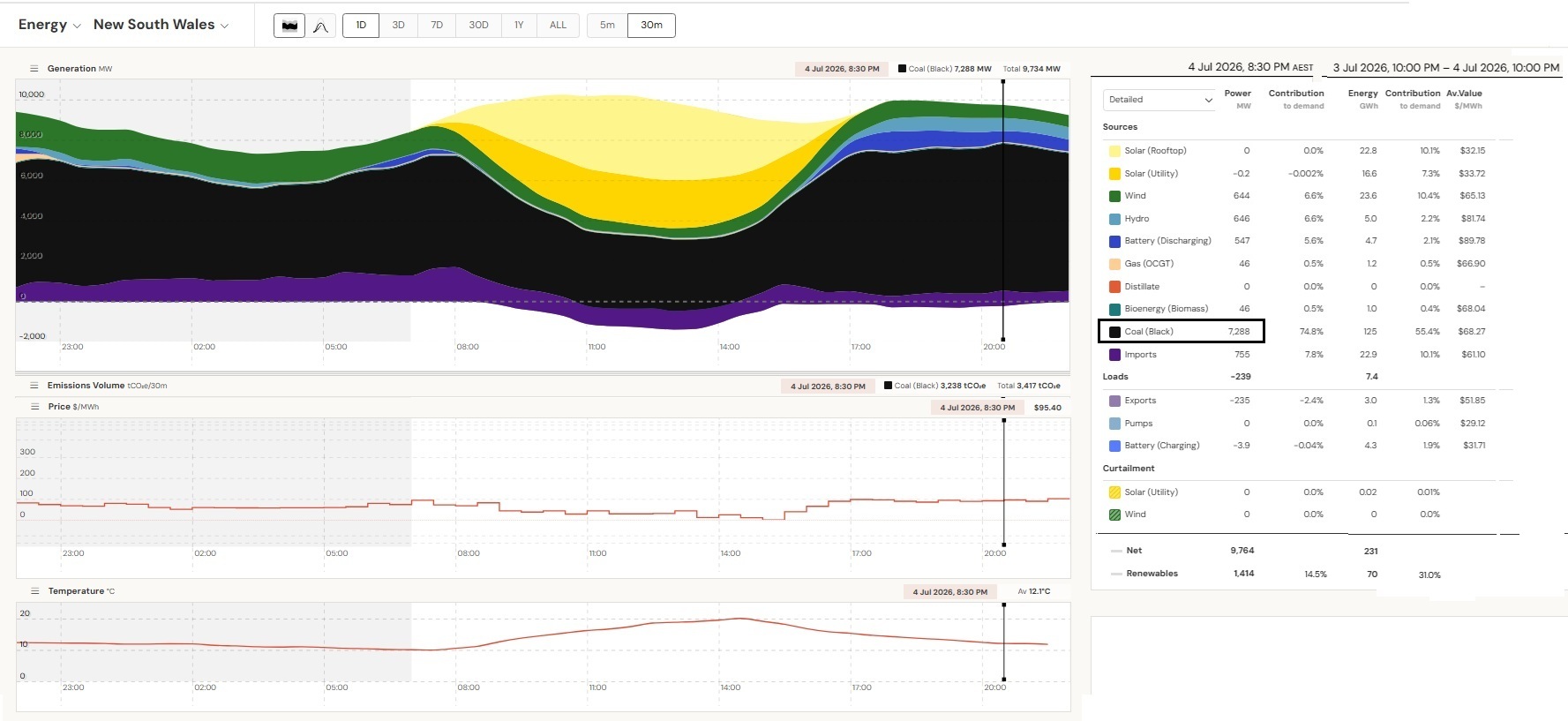 Fig 5: NSW power generation on Saturday, 4th July 26. Not much wind in the evening
At 20:30 hrs
Coal 7,288 MW (75%)
Imports 755 MW (8%)
Battery discharging 547 MW (6%)
Hydro 646 MW (7%)
Wind 644 MW (7%)
Temperature 12.1º (morning: 10º; max temp during day 20º)
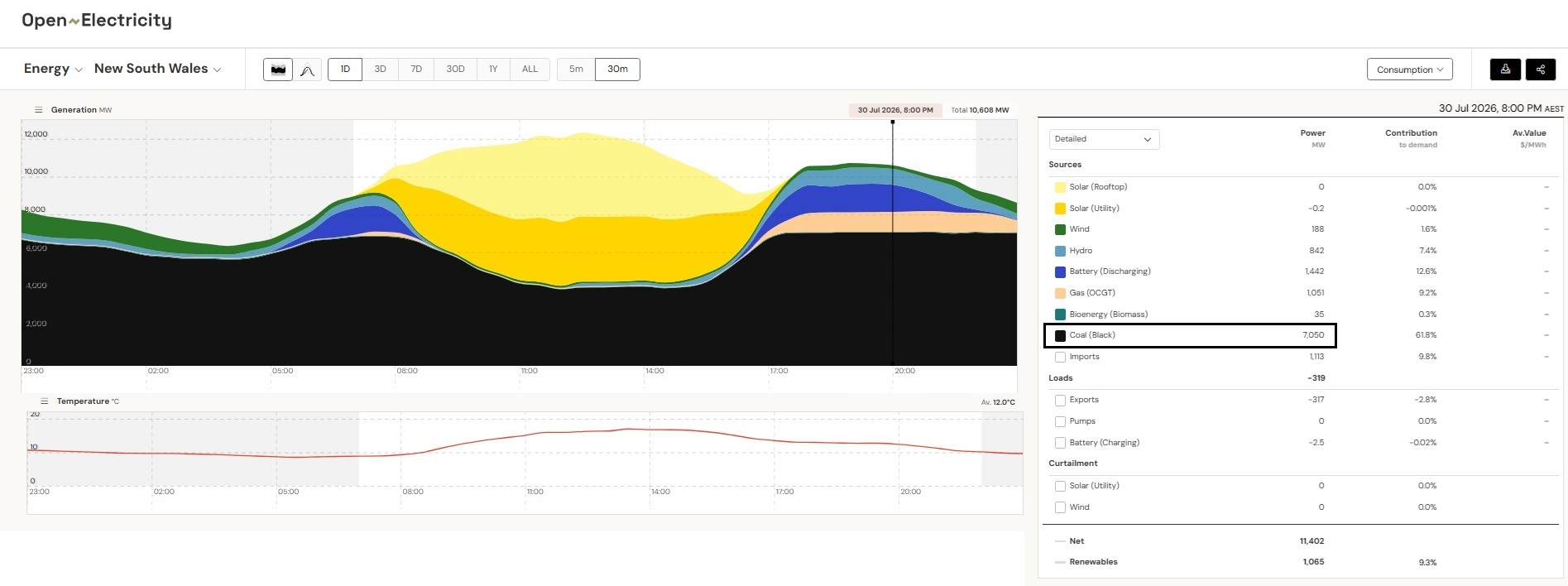 Fig 6: NSW coal power Thursday, 30 July flat out from 5:30 pm to 23:30 (6 hrs!) at 7 GW
Imports, exports, pumps and batteries charging not shown to highlight long periods of high coal production.
Notice the morning peak (> 6,000 MW from 5:30 – 9:00) requiring batteries (up to 1,400 MW) with sufficient energy after the previous evening’s discharge.
The next day (31 July) the morning peak was >7,000 MW from 6:30 – 8:30
At 20:00 hrs, 30 July
Coal 7,050 MW (62%)
Gas 1,050 MW (9%)
Imports 1,113 MW (10%)
Battery discharging 1,442 MW (13%)
Hydro 842 MW (7%)
Wind 188 MW (7%)
Temperature 12º (morning: 8.5º; max temp during day 17º)
Conclusion:
What matters in winter is how many MW are available in the evening hours of cold nights. The NSW State Government (Premier Minns on 10 August: “I want growth”) will throw money at the coal plants if necessary, until there are no more spare parts available for these aging plants. An earlier end may come if there is an accident like in Callide C4 in Queensland (May 2021)