In winter afternoons and evenings coal fired power plants are running >90% of capacity for 64% of the time.
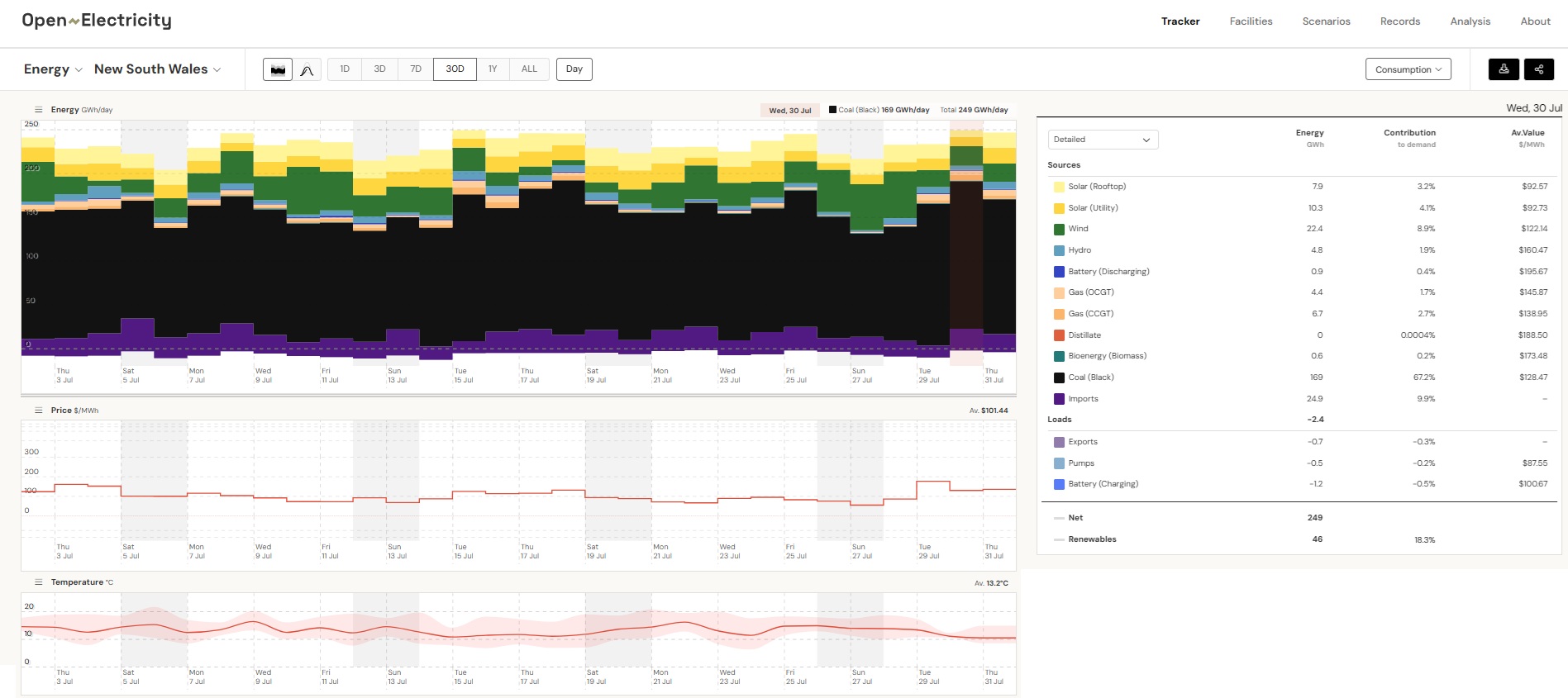 Fig 1: NSW generation by fuel type July 2025
Coal dominates with 61% share. Renewables made 28%.
 Fig 2: NSW coal fired power plants were running at an average of 73% of capacity in July 2025
However, in the last week of July the percentages were much higher in the afternoon and evening hours:
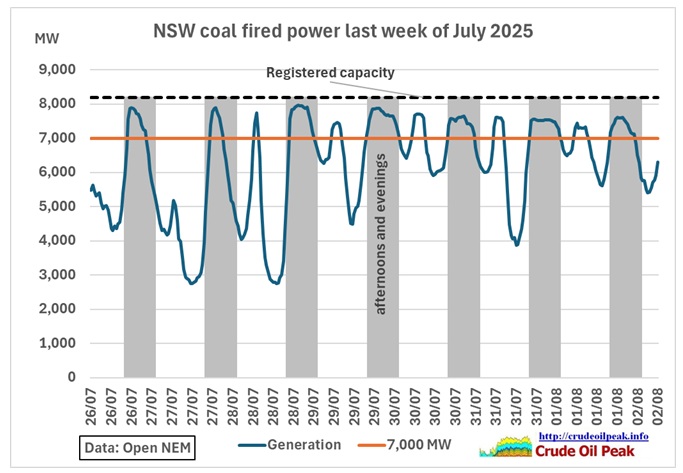 Fig 3: NSW coal power generation last week of July
The orange line of 7,000 MW (rounded) would be the capacity if 2 units were offline at the same time.
Let’s focus on the critical afternoon and evening periods:
 Fig 4: NSW coal plant generation in winter afternoon and evenings
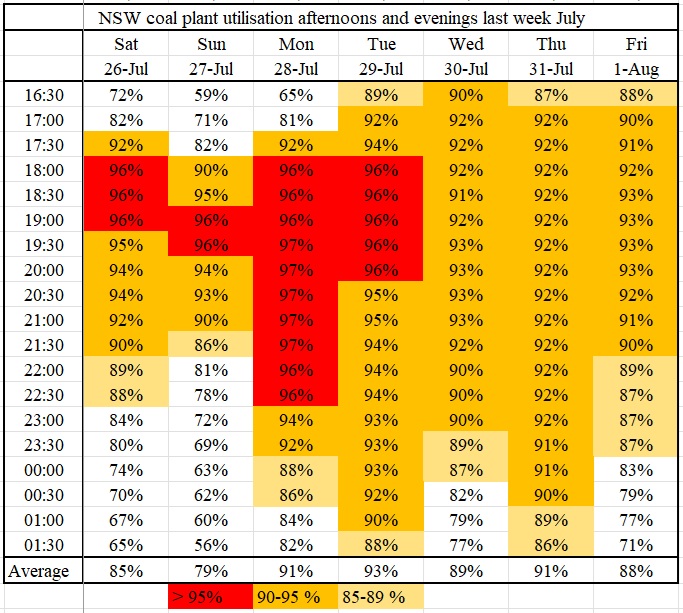 Fig 5: NSW coal plant utilization afternoon and evenings last week July 2025
Over the period of 9.5 hrs, NSW coal plants were running at >95% capacity for 15% of the time, at 90-95% capacity for 50% of the time and at 85-89% capacity for 13% of the time.
Let’s look at the 4 coal plants individually
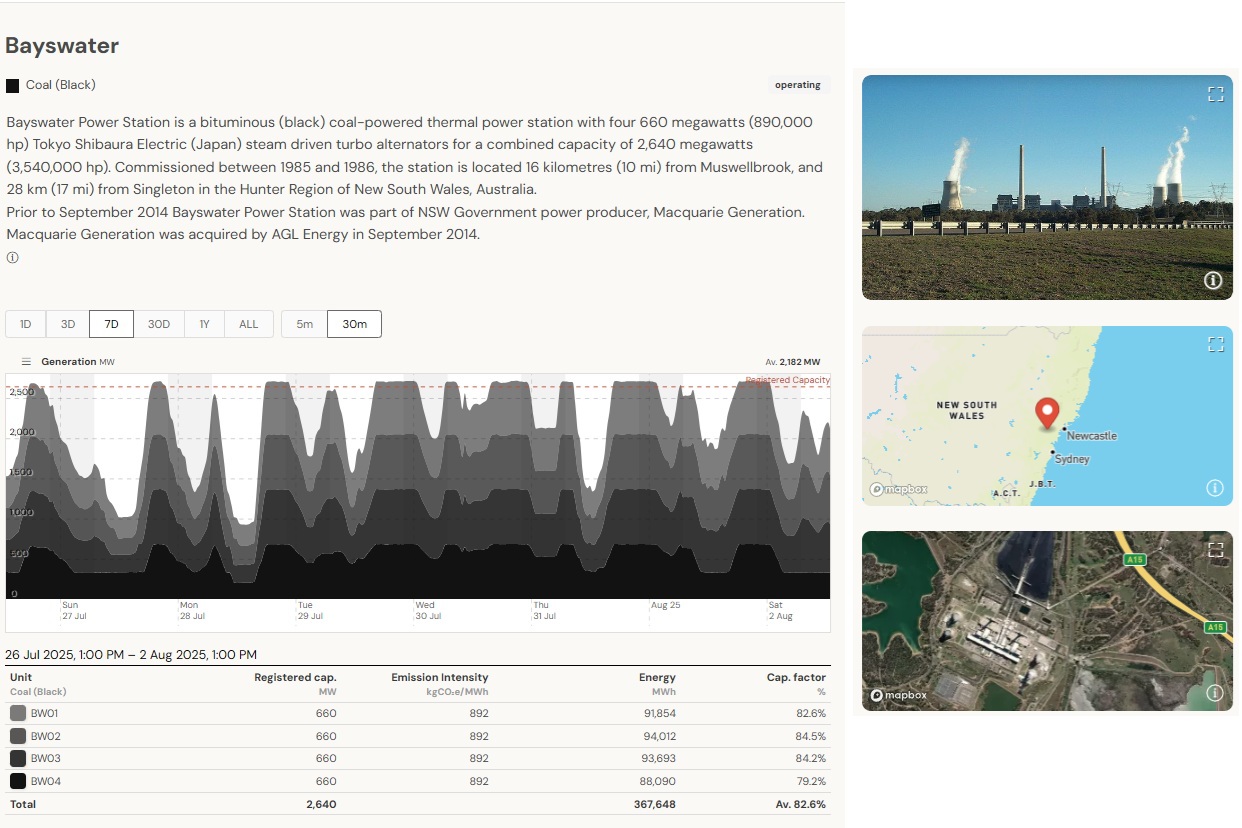 Fig 6: Bayswater running at 2,700 MW above capacity in afternoons and evenings
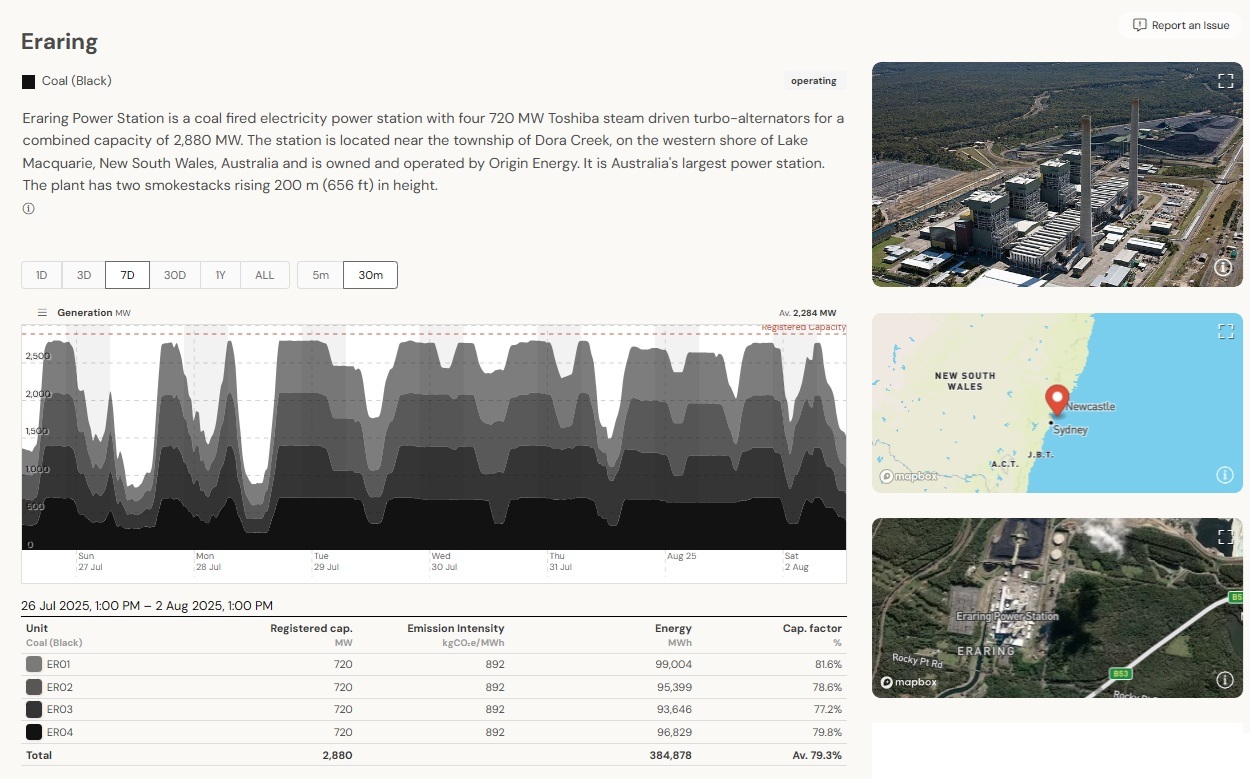 Fig 7: Eraring running at 2,800 MW slightly below capacity in afternoons and evenings
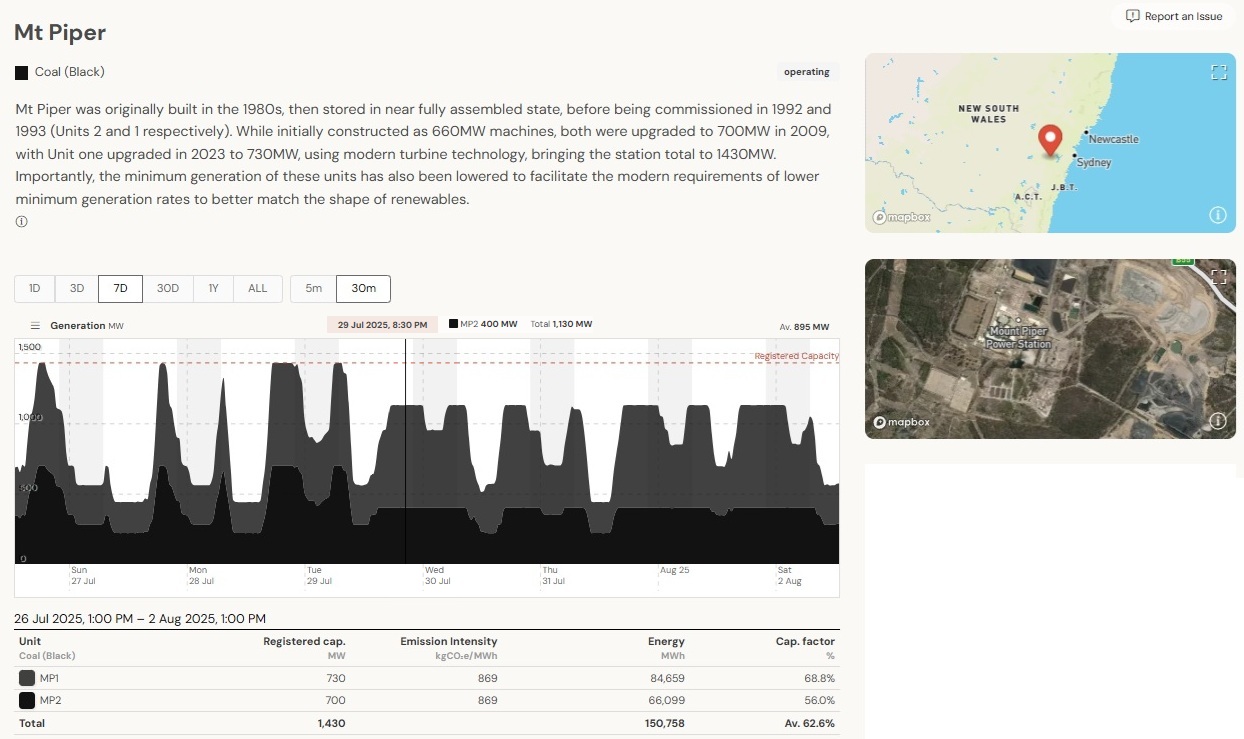 Fig 8: Mt Piper can reach capacity 1,430 MW but throttled it to 1,130 MW (MP2 at 400 MW only)
https://explore.openelectricity.org.au/facility/au/NEM/MP/?range=7d&interval=30m
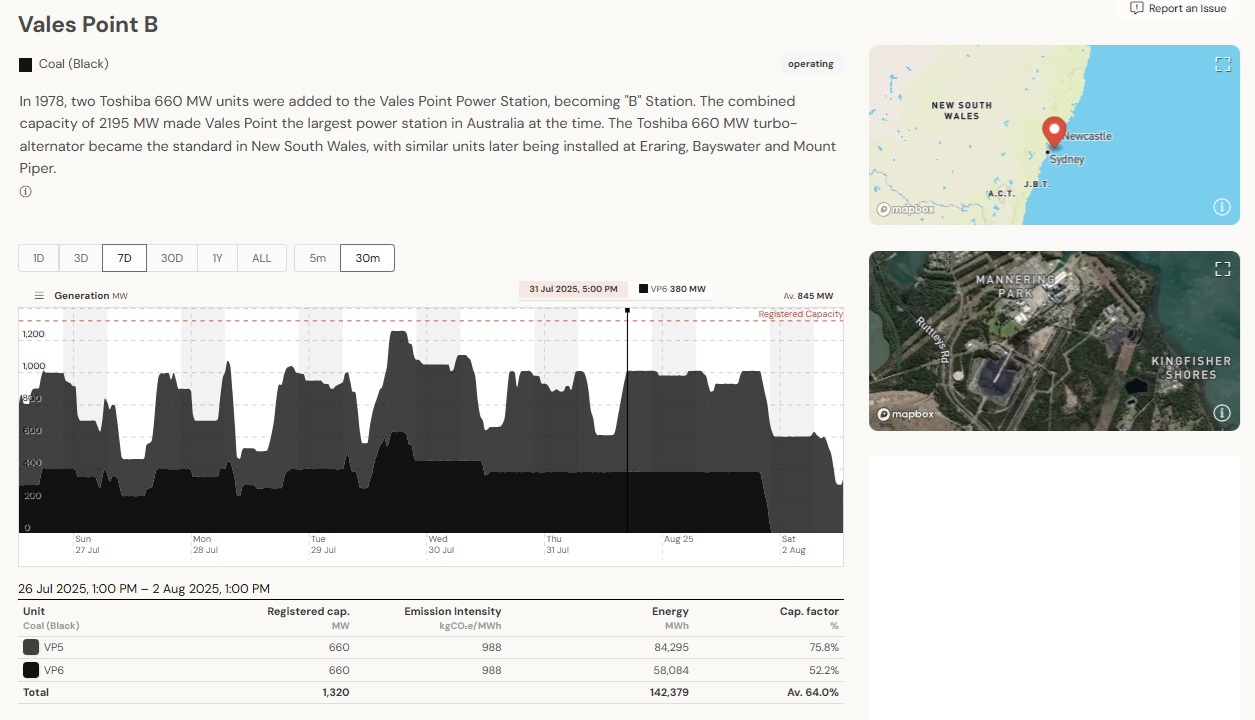 Fig 9: Vales Point very variable output. VP6 throttled at 380 MW, now offline
So when we look eg. at the 97% utilization (weighted average) on 28 July, 8 pm this varies from plant to plant:
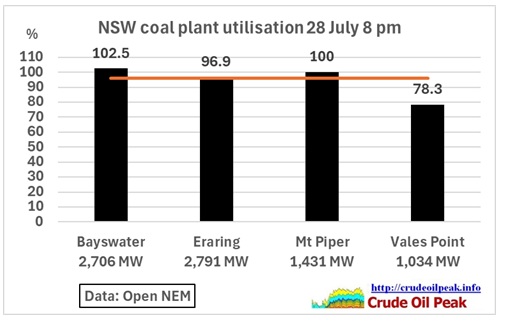 Fig 10: NSW power plant utilization 28 July 8pm
The problem at Vales Point was with VP6 (-290 MW)
Conclusion:
New South Wales, the Premier energy guzzling state in Australia, is utterly dependent on its coal fired power plants in cold and dark winter weeks. At present and in foreseeable future there is no energy storage capacity which will bridge a whole week without coal power. These aging plants will in all likelihood operate until they run out of spare parts. And then there will be a big surprise. Where will the power come from for 100s of apartment towers (3 MW peak load each) connected by all these metros? For the 2nd Sydney airport and the Bradfield City? For EV charging stations? Data centres? And another elephant in the room: continuing high rates of immigration?
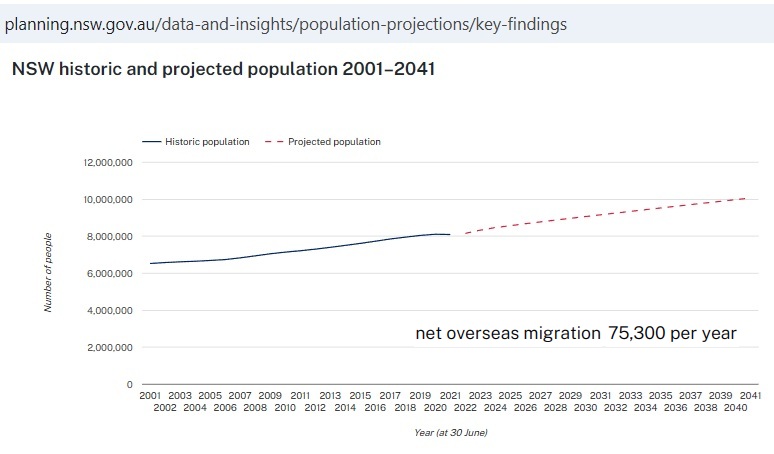 Fig 11: NSW government’s energy illiterate population target (requires a separate post)
https://www.planning.nsw.gov.au/data-and-insights/population-projections/key-findings
To be continued (renewable generation in the last week of July 2025)