The Australian Energy Minister Chris Bowen released the fuel stock data for the reporting date of 31/3/2026.
Press conference, Fairfield West
4 April 2026
MINISTER FOR CLIMATE CHANGE AND ENERGY CHRIS BOWEN:
Today, I’m pleased to say that we still have 39 days worth of petrol in Australia, that’s 1.7 billion litres, 29 days worth of diesel, or 2.6 billion litres, and 30 days worth of jet fuel 847 million litres.
Now, we are also seeing very strong demand, so that means the fact that these figures are effectively flat, diesels down one day, the other two are flat on last week, means that fuel is going out the door, to service stations and farmers, and fuel is coming in the door, at Australia’s import terminals, and our refineries are working full pelt.
Australia’s fuel supply remains strong, still more than 50 ships on their way to Australia, still only 6 cancellations, forward orders that have been cancelled, that have been replaced with new orders, and been replaced with more than new orders, with extra spot cargos, more than replacing those 6 cargos that had been cancelled. And the fuel company’s now telling me with the 3.7 billion litres booked in for April that they are very confident and they’re supplied for April and now starting to go to May which can provide Australians with that confidence that it is very difficult international circumstance with the risks that we have always said were there, with the challenges to the supply chain that we’ve always indicated where there, nevertheless Australia’s well‑placed.
PETER KHOURY (NRMA): So as we have head into the Easter long weekend period, what we know in terms of prices is this – oil prices, unfortunately, continue to be heavily impacted by global events, particularly in Iran, obviously. As we headed into the long weekend, we were hoping to see some stabilisation gasoil, which is the international benchmark price for diesel. We saw the opposite with a $46 a barrel jump overnight as a result of, well, things coming out in the United States in terms of commentary, but also what we saw with an escalation in Iran.
https://minister.dcceew.gov.au/bowen/transcripts/press-conference-fairfield-west-0
50 ships on the way? Over which period? Was it not 80 ships on 22nd March? https://www.abc.net.au/news/2026-03-22/six-fuel-ships-cancelled-oil-supply-iran/106483424
3.7 bn litres booked for April? In January, imports were:
2,662 ML diesel + 1,032 ML petrol + 826 ML jet fuel = 4,520 ML = 4.5 bn litres
Let’s check on the diesel price, yes, $46 up:
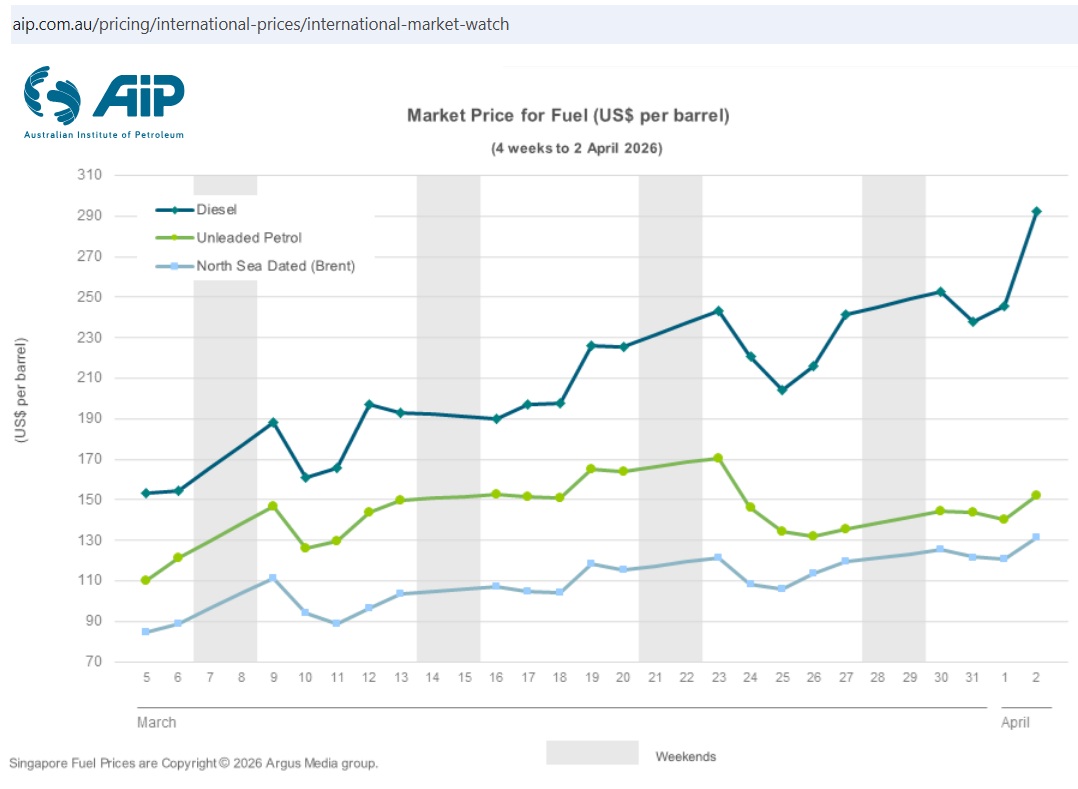 Fig 1: Singapore fuel prices in US$
https://www.aip.com.au/pricing/international-prices/international-market-watch
This is the graph which Chris was using for his press conference:
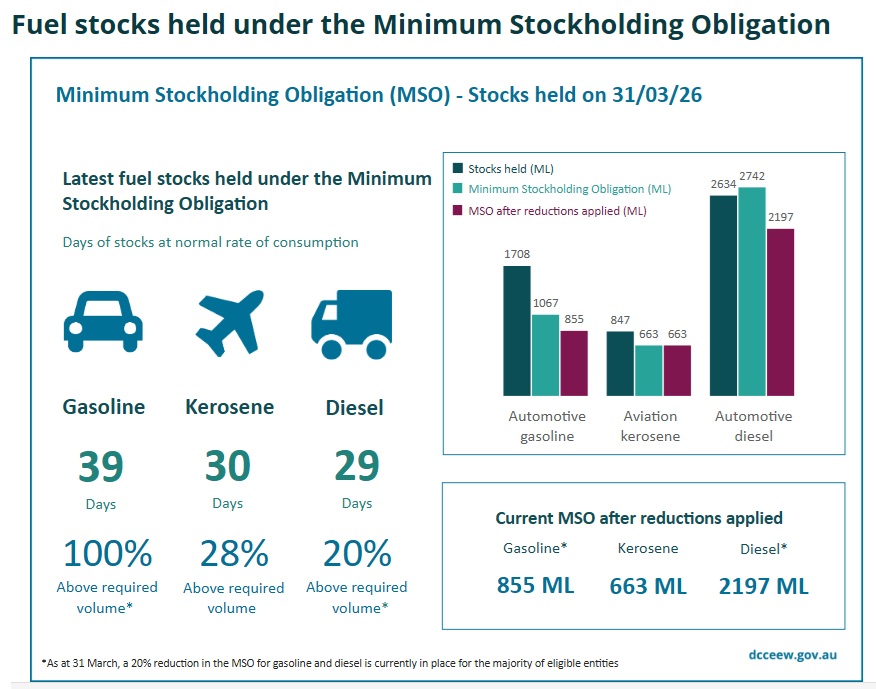 Fig 2: Snapshot from the Minimum Stockholding Obligation (MSO) website dated Sat 4 April 2026
Diesel storage effectively flat? Not when looking at the numbers in ML (see Fig 3 and 4).
We need to see this in the context of the 1st such report dated 3 Mar 26 (see appendix) and put that into a graph:
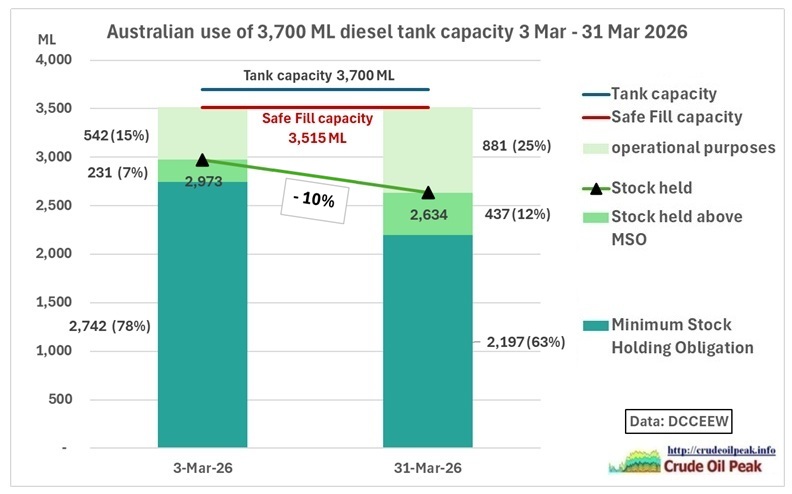 Fig 3: The 2 columns represent 2 reports 4 weeks apart
Diesel stock held declined by 339 ML from 2,973 ML (85% of safe fill capacity) to 2,634 ML (75%)
My local Member of Parliament mentioned a storage of 3.7 bn litres and I indeed found the 3,700 ML total tank capacity on this website https://minister.dcceew.gov.au/bowen/media-releases/securing-australias-fuel-sovereignty
We then have to deduct 5% to calculate the safe fill capacity at 3,515 ML .
The Minimum Stock Holding Obligation of 2,742 ML on 3 Mar 2026 was reduced by 20% and is now 2,197 ML. As a result, the volume of diesel held above the MSO level has increased from 231 ML to 437 ML, a kind of buffer before the MSO would have to be reduced again. Under the trend of the last 4 weeks this could happen in 5 weeks.
Let’s compare MSO stocks with Australian Petroleum Statistics (APS) stocks:
 Fig 4: Comparison of diesel stock under MSO and APS calculations
APS stock levels are lower. This is because MSO includes tankers in the EEZ while APS uses stock only onshore and in domestic waters. The dotted line uses the APS stock level from January 2026 so the comparison is only approximate.
Appendix
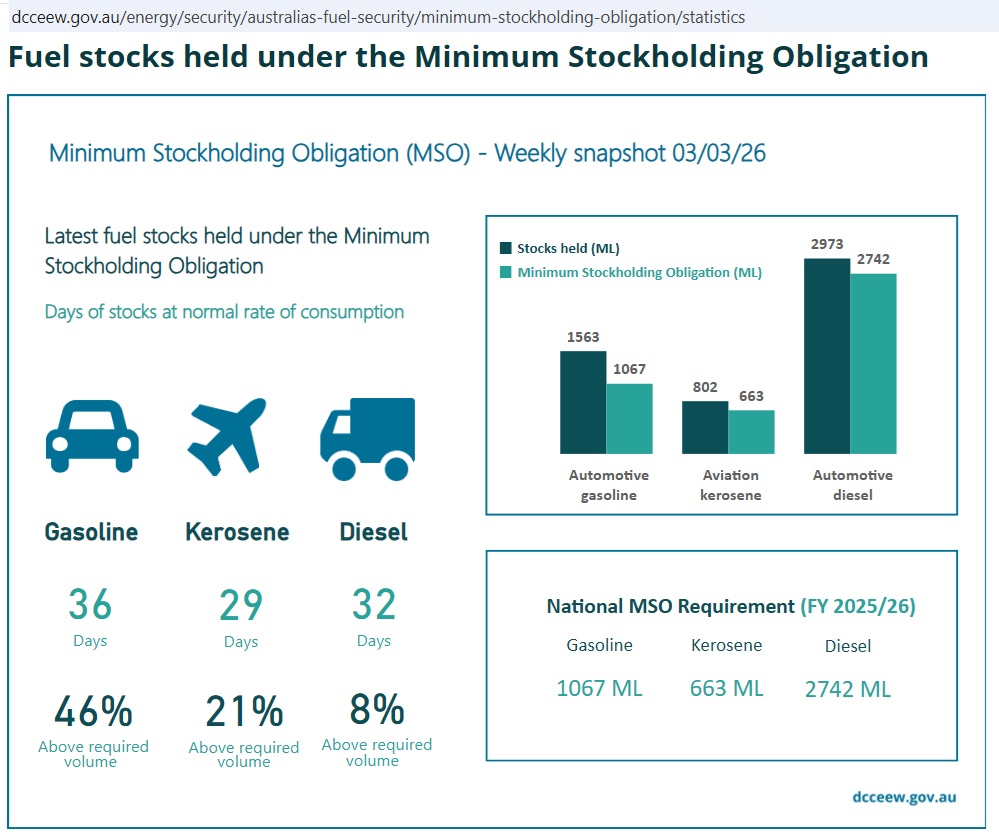 Fig 5: The first report published for 3 Mar 2026