Energy Super Power Australia is forced to beg neighbours for oil and fuels as a result of 2 decades of failed energy policy since the conventional crude oil peak in 2005, ignored by all governments since John Howard published a fundamentally flawed energy white paper in June 2004.
Quick answer:
Average monthly Imports from Singapore since Jan 2025
Crude oil: nil
Diesel: 380 ML/month (14% of total)
Jet Fuel: 150 ML/month (18% of total)
Petrol: 490 ML/month (47% of total)
How the PM’s Singapore visit could help Australia’s fuel supply
10/4/2026
Prime Minister Anthony Albanese is in Singapore today to discuss locking in fuel supplies with his counterpart, Prime Minister Lawrence Wong.
Singapore is a major oil refining hub — it is one of Australia’s most important sources of refined petroleum products and our largest source of petrol.
However, about two-thirds of the crude oil that normally goes into the city state’s refineries has been significantly disrupted by the effective closure of the Strait of Hormuz for more than a month now, and they have had to cut output.
https://www.abc.net.au/news/2026-04-10/how-the-pms-singapore-visit-could-help-our-fuel-supply/106543820
Let’s have a look at the current crude oil and fuel import statistics:
Crude oil for the last 2 remaining refineries:
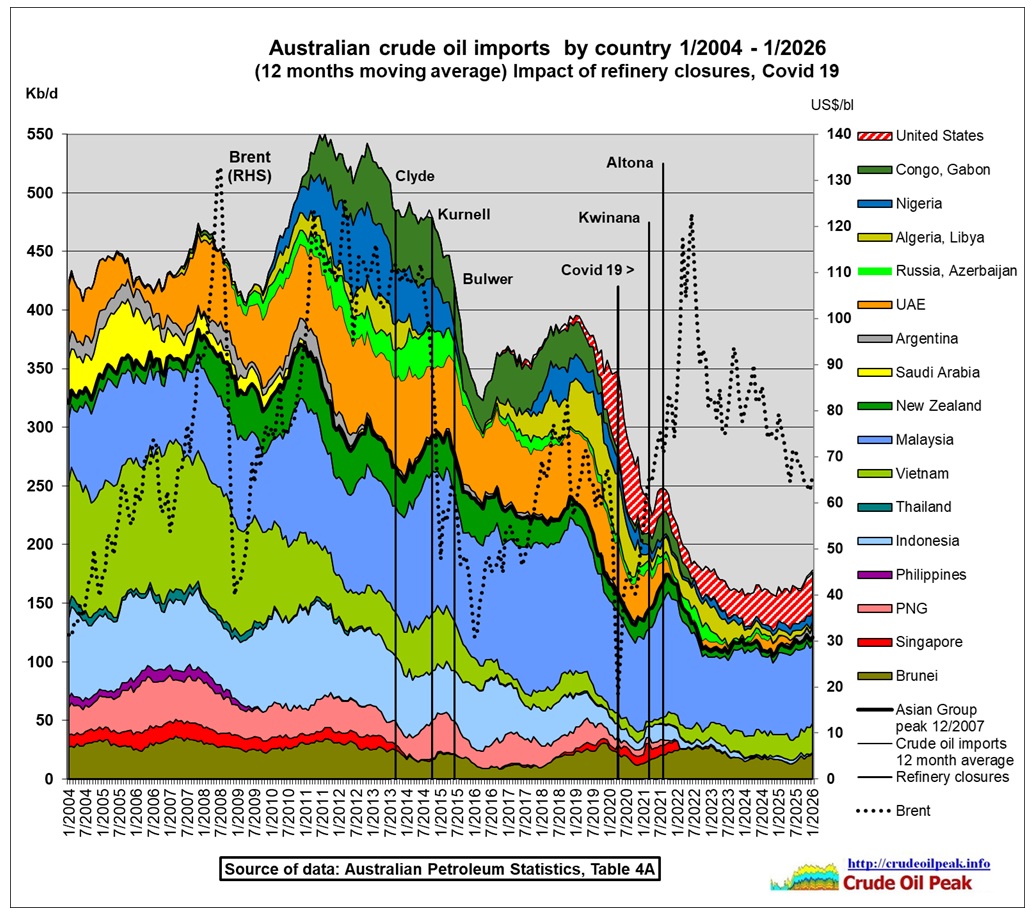 Fig 1: Crude oil imports update Jan 2026 data
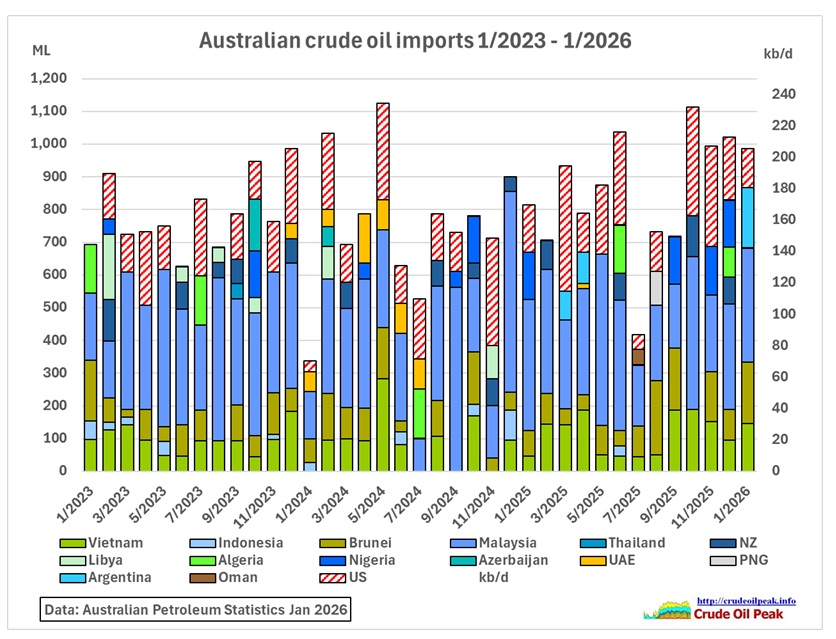 Fig 2: No crude oil imports from Singapore
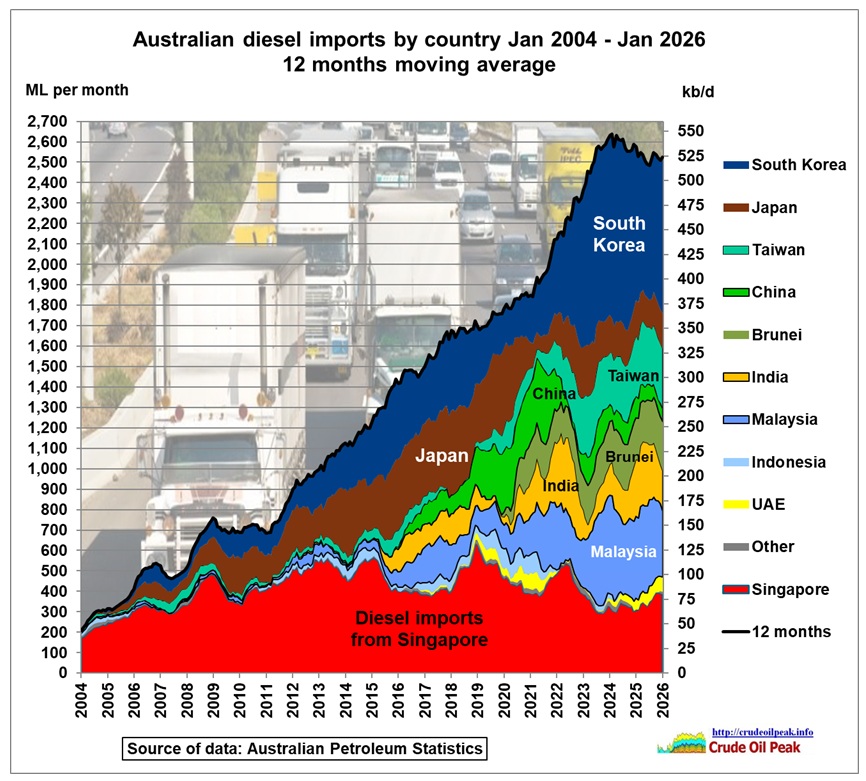 Fig 3: Australian diesel imports
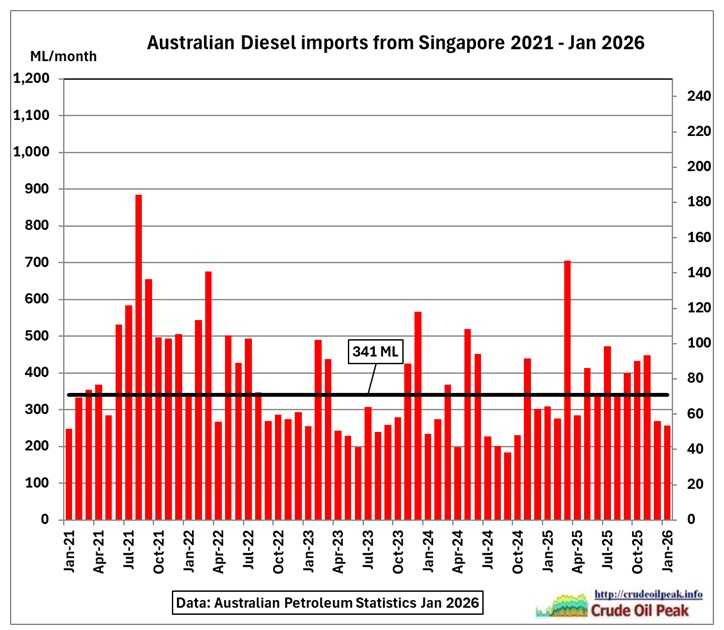 Fig 4: Diesel imports from Singapore; 380 ML since 2025 (14% of total)
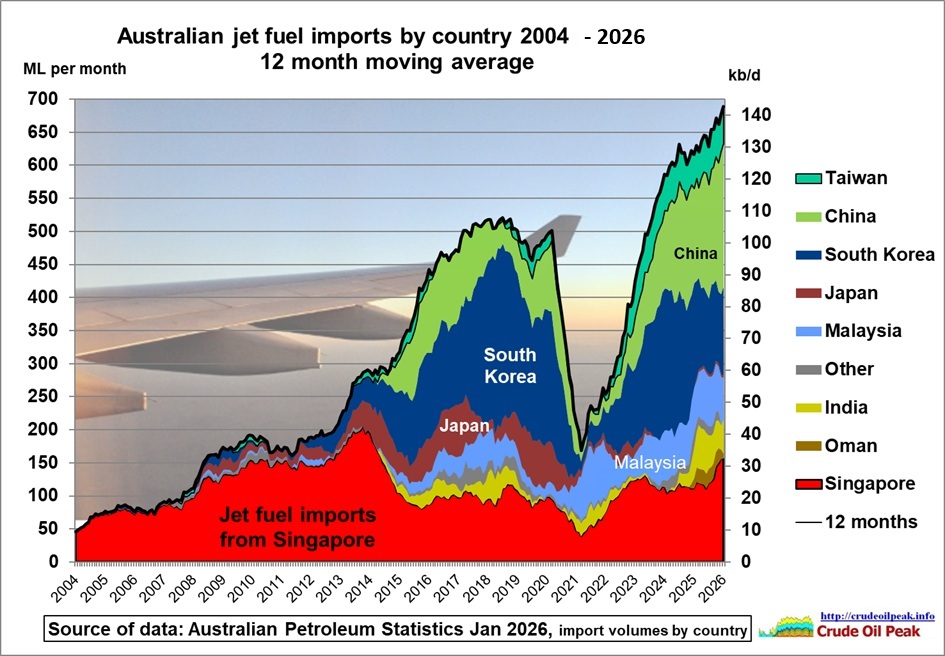 Fig 5: Australian jet fuel imports
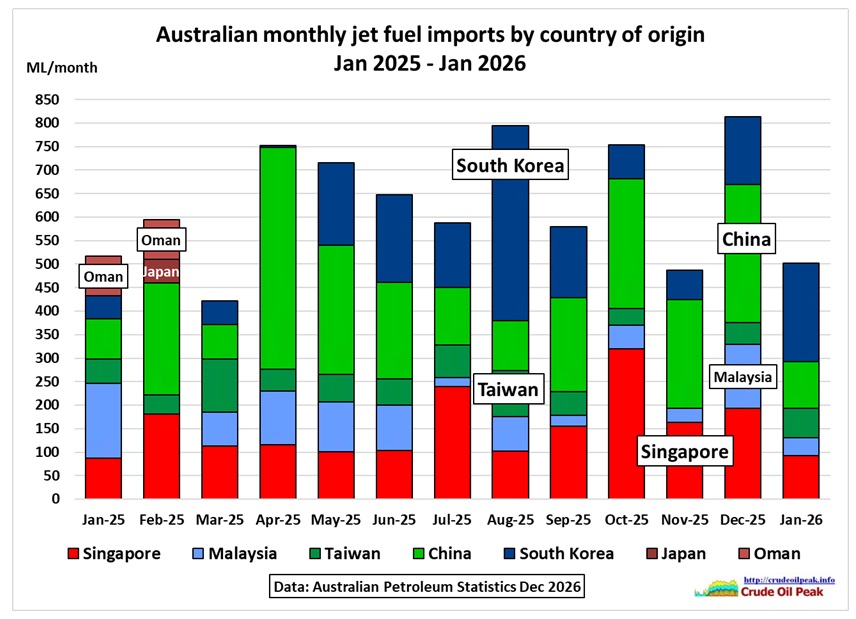 Fig 6: Australian jet fuel imports since January 2025
from Singapore 150 ML/month = 18% of total
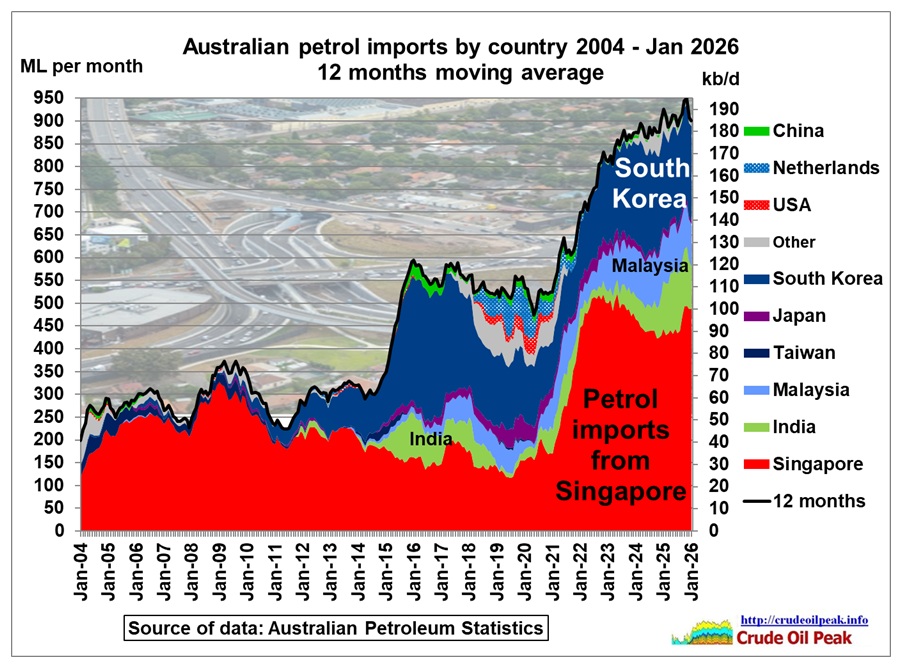 Fig 7: Australian petrol imports
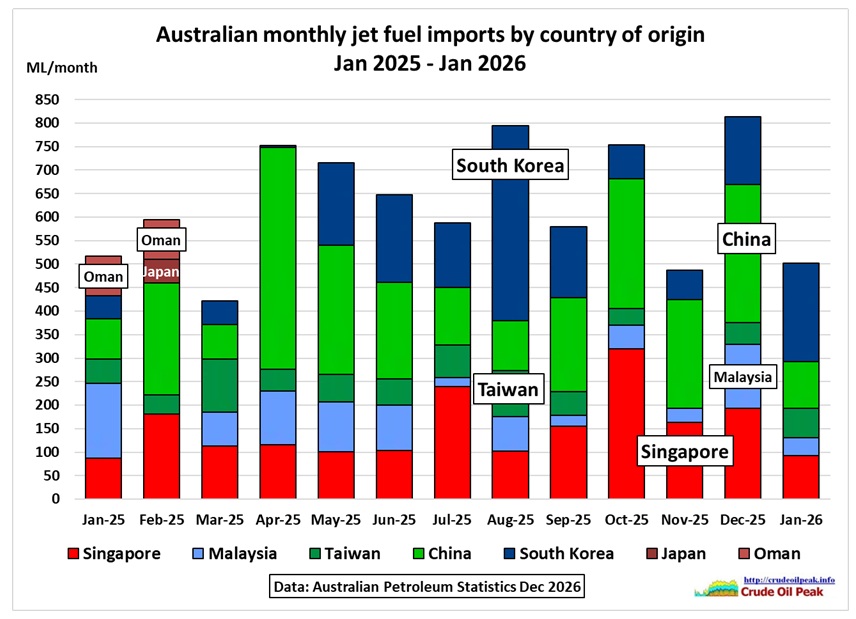 Fig 8: Australian petrol imports since Jan 2025
from Singapore: 490 ML/month = 47% of total
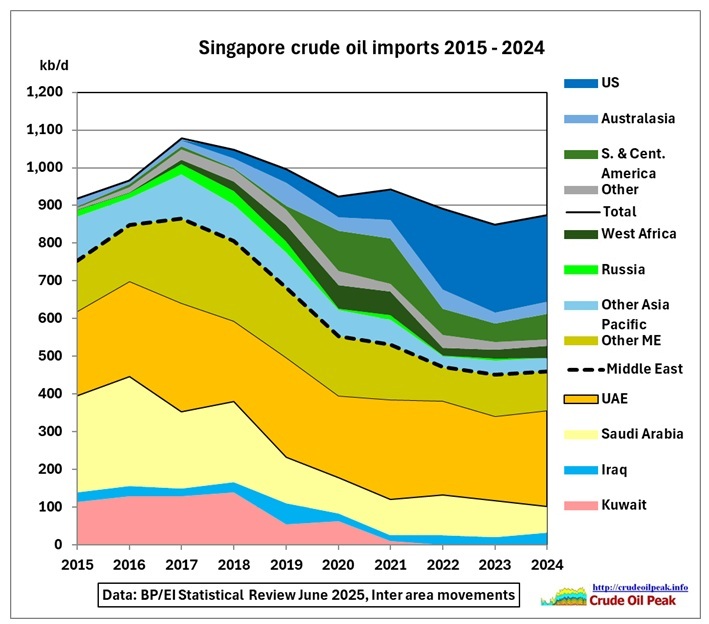 Fig 9: Singapore crude imports by country of origin
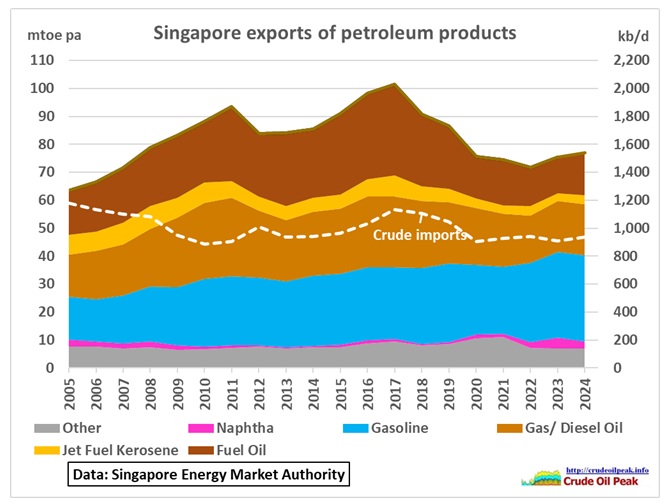 Fig 10: Singapore exports of petroleum products
How Australia is navigating an oil market in crisis
11/4/2026
Australia is stitching together a steady supply of fuel through a patchwork of relationships. But how long can that last?
This week Prime Minister Anthony Albanese has travelled to Singapore and announced a deal aimed at shoring up both countries’ energy security. Singapore will continue to ship fuel products to Australia, while supplies of crucial liquefied natural gas will flow in the other direction.
But analysts say the Singapore deal does not provide Australia with diesel or jet fuel security.
“The deal is diplomatically sensible and provides some comfort on gasoline, but the Hormuz constraint caps what Singapore can physically deliver,” Noel-Beswick says.
“And for the two products under most pressure — diesel and jet fuel — Singapore was never a solution to begin with.”
Rahman Daiyan, an associate professor at the University of New South Wales, told the ABC that fuel shipment allocation was largely driven by commercial contracts, pricing and logistics.
Kevin Morrison, energy finance analyst at the Institute for Energy Economics and Financial Analysis, says it’s entirely possible that other countries could make moves to divert tankers away from Australia.
“[If] they get a call because China’s going to pay a higher price,” he says, “then all of a sudden the ship no longer is going to Australia, it’s heading towards China.
“It’s just a cutthroat business.”
The cost of shipping oil products is also skyrocketing.
Morrison says he is usually quoted about $20,000 a day for a fuel tanker — but now “that’s jumped up to over $300,000”.
Australia is in the fortunate position of being a wealthy country that can afford to supplement its supply by paying a premium.
“You’ve got to bear in mind how the whole supply chain works,” Morrison says. “It just goes to the highest bidder.”
That means, of course, there’s the possibility that over time Australia could find itself outbid.
At the same time, Australia is largely at the whim of other nations for almost all of its diesel and jet fuel needs.
“We desperately need the fuel more than anybody else because we’re one of the largest importers of products in the world,” says Noel-Beswick.
That’s why we are now seeing the use of less conventional routes to get much-needed fuel to Australia.
https://www.abc.net.au/news/2026-04-11/australia-fuel-supply-strait-hormuz-crisis/106533982
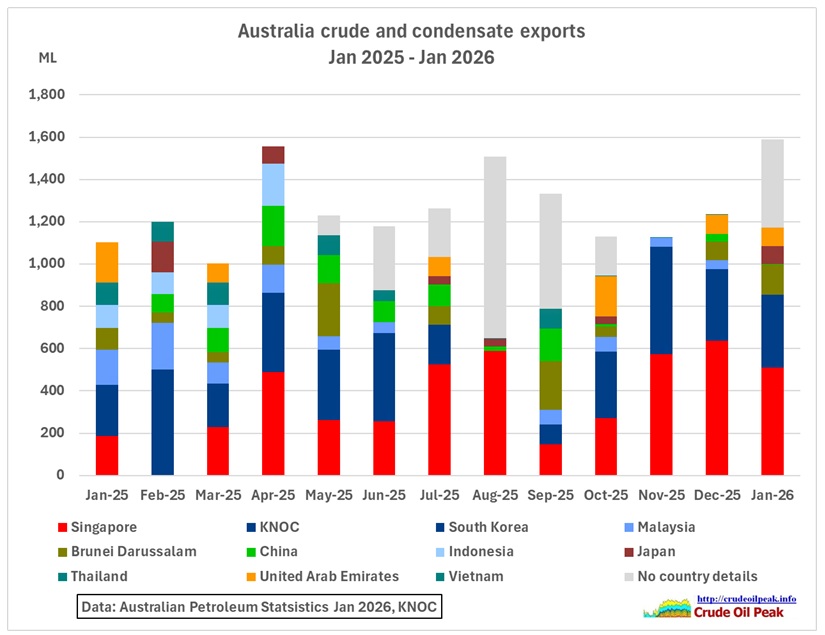 Fig 10: Australian crude & condensate exports: bargaining chips for fuel imports
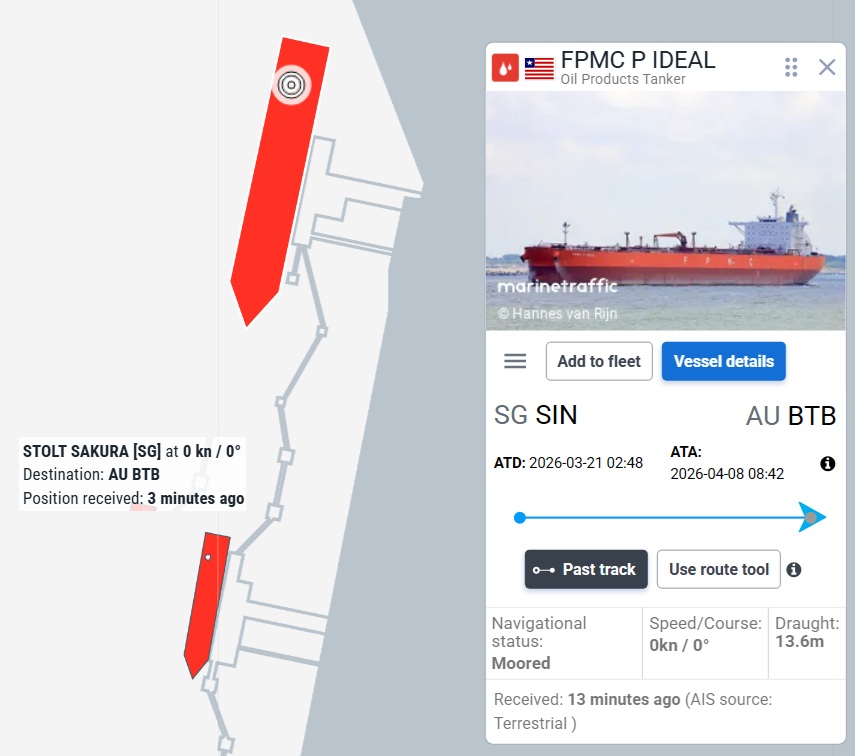 Fig 11: FPMC P IDEAL currently in Botany Bay BTB1, departure from Singapore 21/3/26
This AFRAMAX (LR2) tanker has a capacity of 99,993 t (equivalent to 110 – 115 ML)
https://www.scheepvaartwest.be/CMS/index.php/tankers/12962-fpmc-p-ideal-imo-9459709